In the mist-shrouded lands of Albion, where folklore breathes and legends walk, a saga was born two decades past. It is a realm woven from the threads of British myth, a curious world of profound style and whimsical flair. As the calendar turns to 2026, the series stands at a precipice, its clock poised to turn back with the promise of a long-awaited rebirth. With no release date yet etched in stone for this new chapter, it is a moment suspended in time—a perfect, quiet space to wander back through the annals of Albion and trace the footprints of its greatest tales.
The path has been winding, marked by experiments both bold and baffling. Some ventures strayed far from the worn cobblestones of the main road, like the peculiar Fable Coin Golf. This was a strange little fantasy, spun from the simple joys of British pub games and cast onto the screens of Windows phones. Players guided Puck, a sprite of light, toward the Pillar of Light with the fewest shots, a quest to cleanse evil. Its sole, flickering charm for the devoted was the gold it promised, a currency that could cross the veil into the world of Fable 3. Yet, in the grand tapestry of the franchise, it remains a faint, almost forgotten stitch.
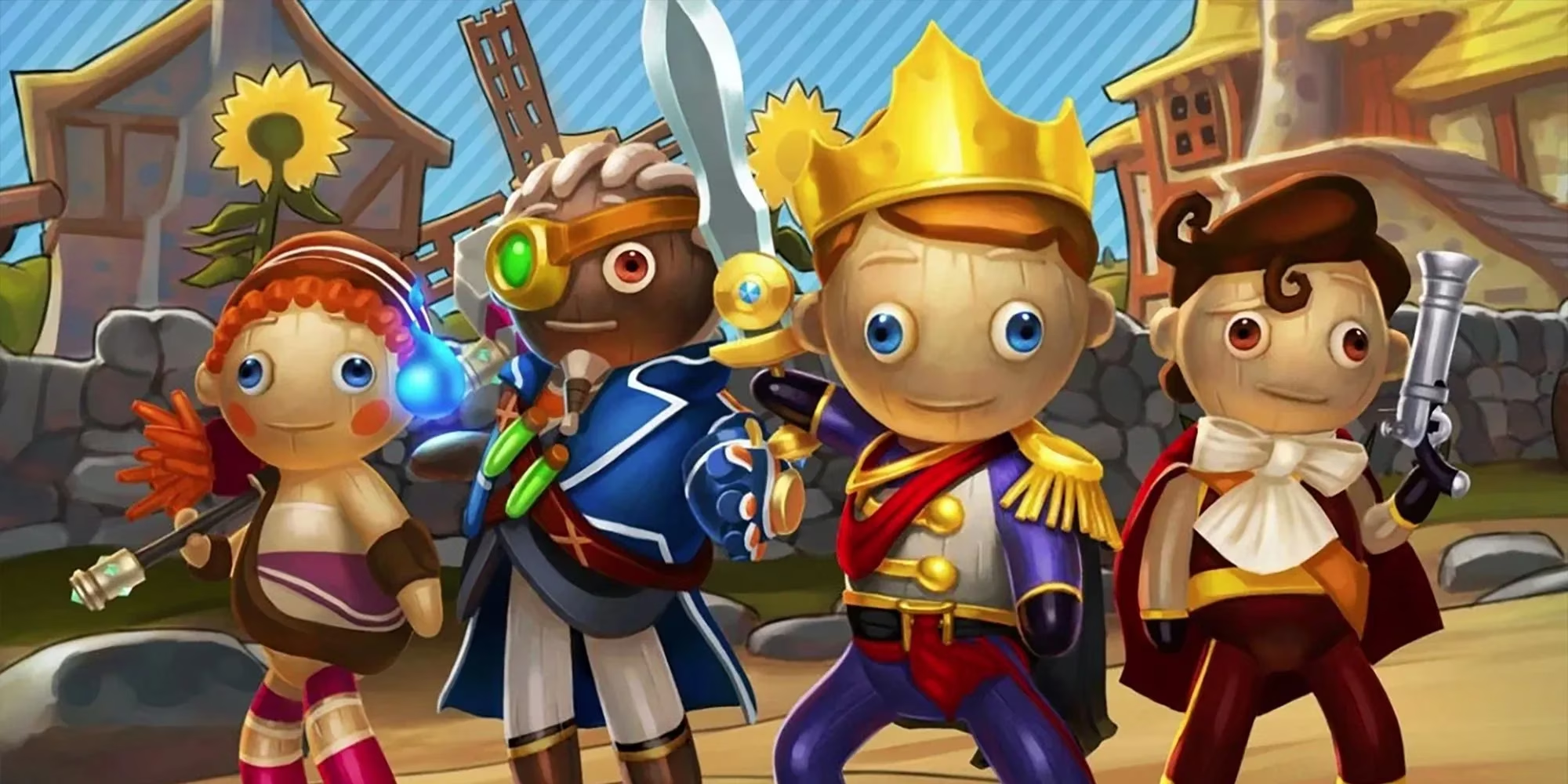
Then came the clamor of battle in a different guise. Fable Heroes arrived as a vibrant beat-em-up, a family-friendly foray where hero dolls—an artistic shift as charming as it was unexpected—clashed in hack-and-slash revelry. Up to four players could join the fray over Xbox Live in 2012, a chorus of cooperative chaos. It was a fun, fleeting carnival, a splash of color against Albion's often somber skies, but it never quite captured the soul-deep magic that defines the series' heart.
Even the main titles sought companions in curious places. The Fable 2 Pub Games collection was a digital tavern corner, housing Keystone, Fortune’s Tower, and Spinnerbox. A novelty in 2008, it let players gamble for in-game lucre, their winnings waiting for them back in the full adventure. It was a unique, if niche, idea—a side-room of concept art and chance that, while clever, never sparked a wider trend and now lives mostly in the memory of the most ardent fans.
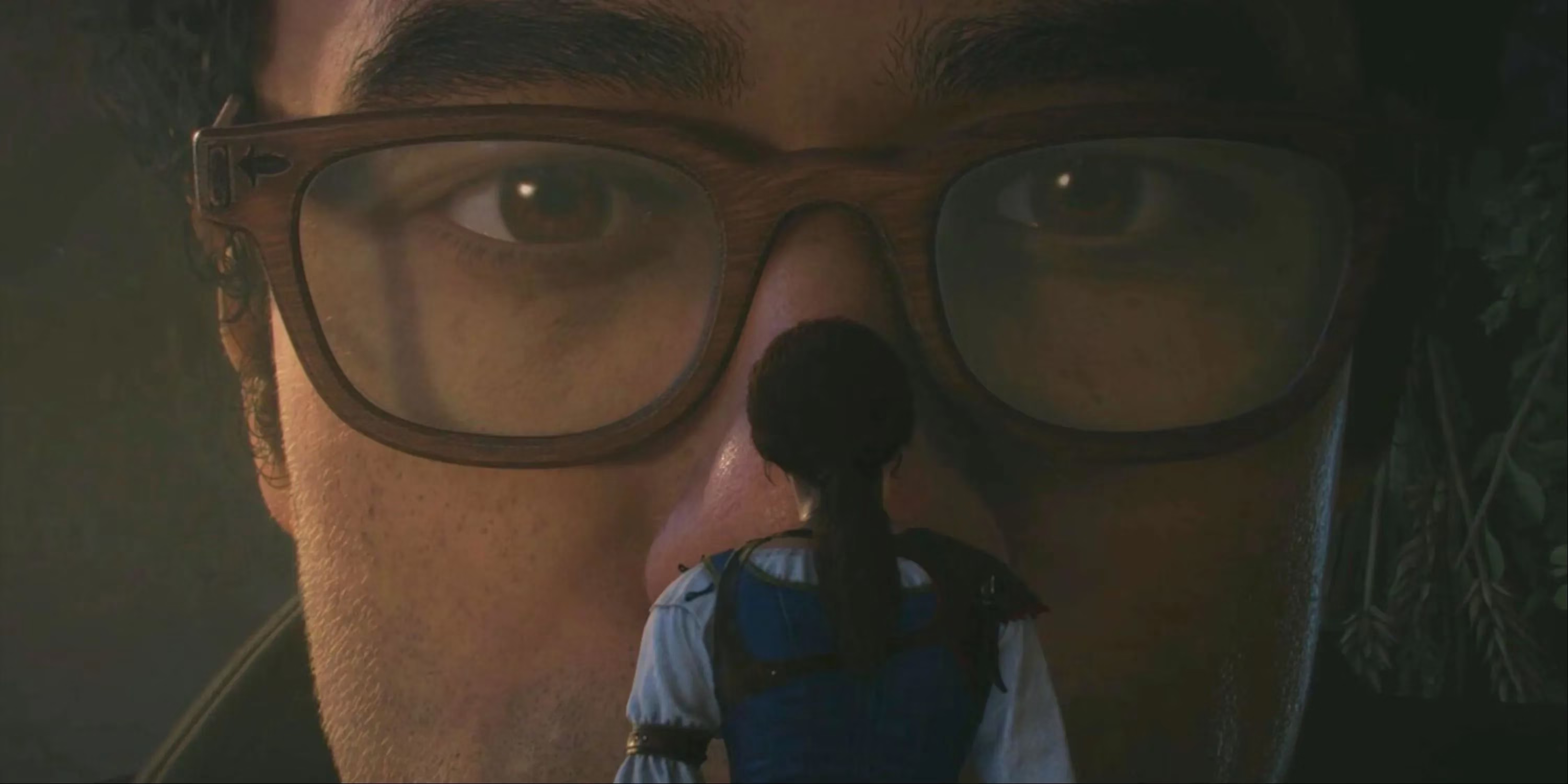
Some diversions, however, stumbled into a peculiar grace. Fable: The Journey, bound to the Kinect's motion-sensitive gaze, should have been a mere curio. Instead, it wove a spell of surprising immersion. Players traced patterns in the air, their hands painting spells for combat, becoming true wizards in their living rooms. The Kinect had its limits, its frustrations, but the narrative that unfolded was a counterweight—a story at times so poignant it could wrench the heart. Its weaknesses tethered it below the core trilogy, yet it stands as a testament to the franchise's enduring ability to surprise.
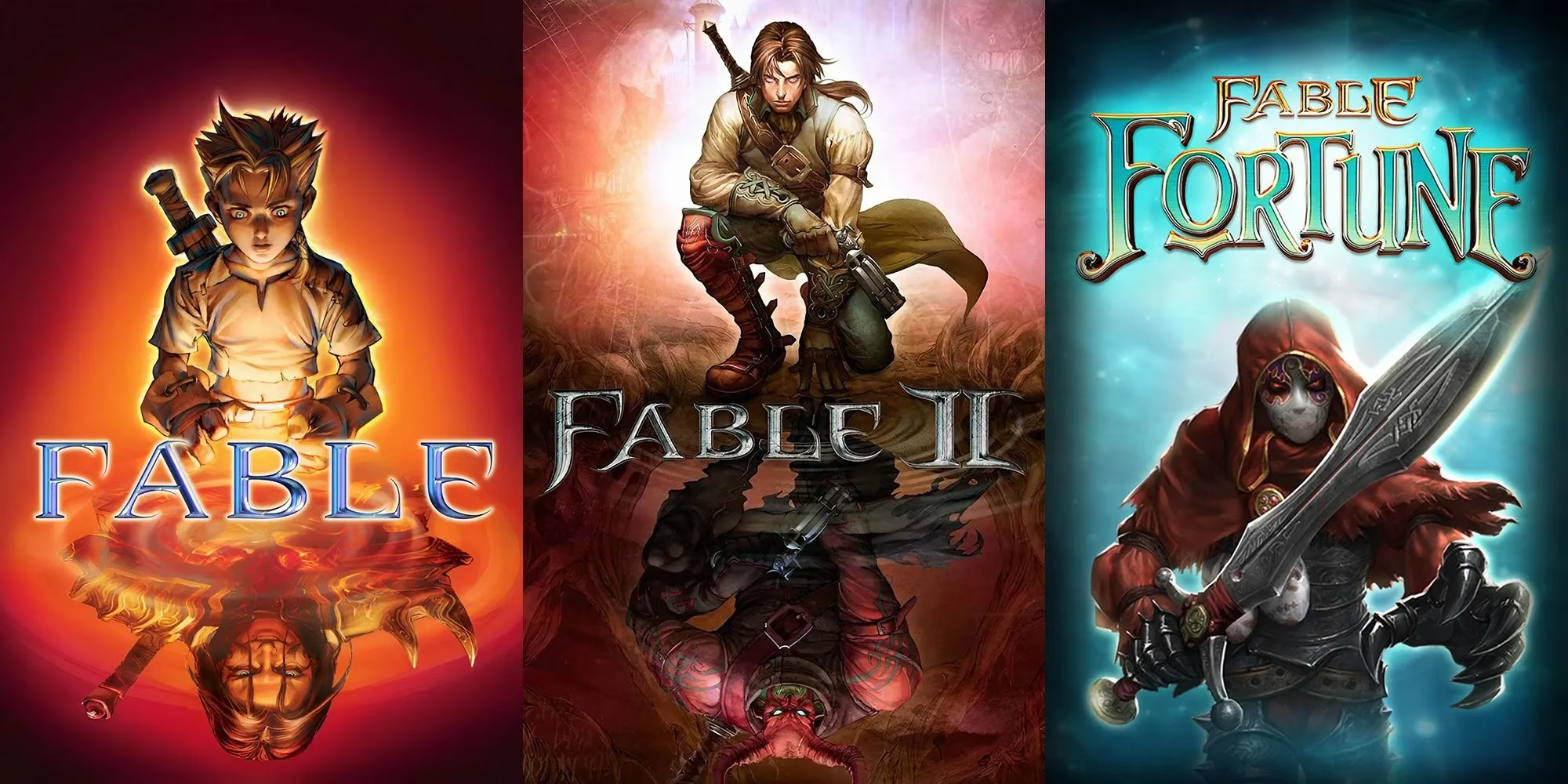
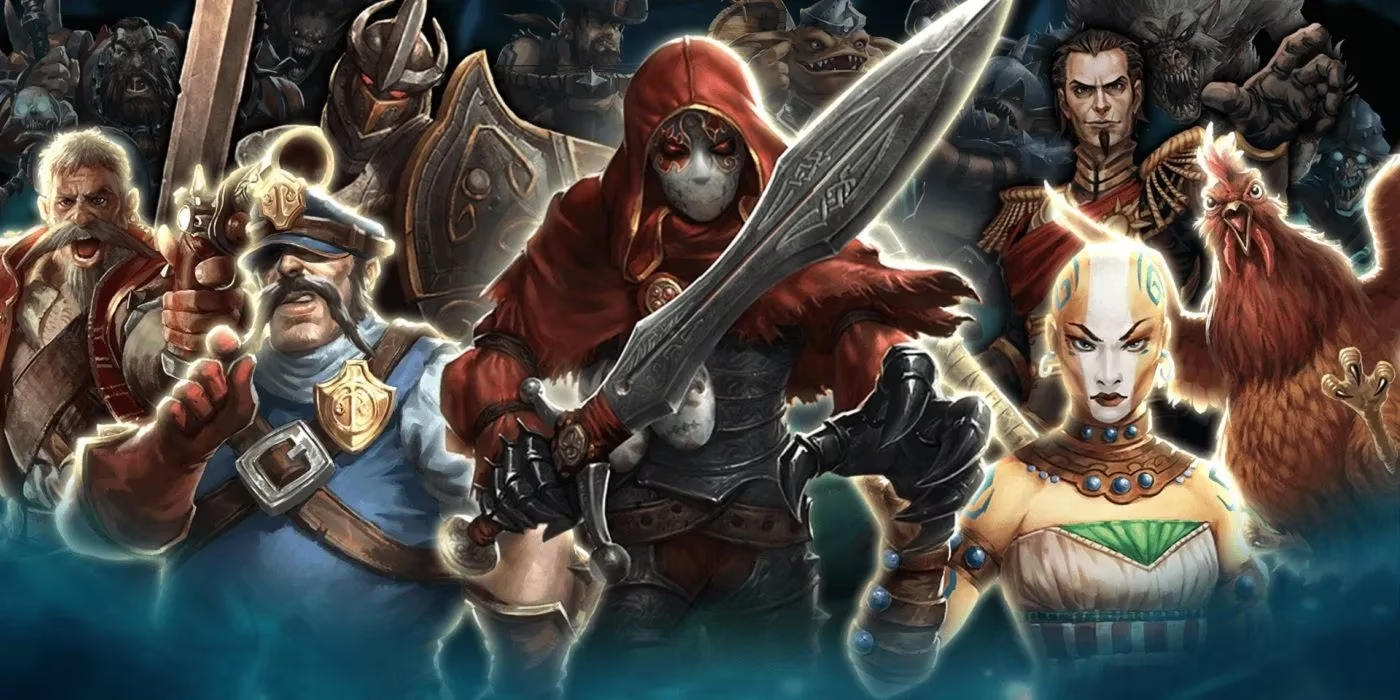
The most recent echo from Albion came not with a sword, but with a deck of cards. Fable Fortune, released in 2018, reimagined the universe as a free-to-play collectible card game. It was a different kind of strategy, a new way to walk the familiar woods and towns. While its reception was a tapestry of mixed threads, it fostered a quiet community of its own. Support faded by mid-2020, but in its brief life, it earned the distinction of the franchise's finest spin-off, a worthy diversion that never threatened to overshadow the legends from which it sprang.
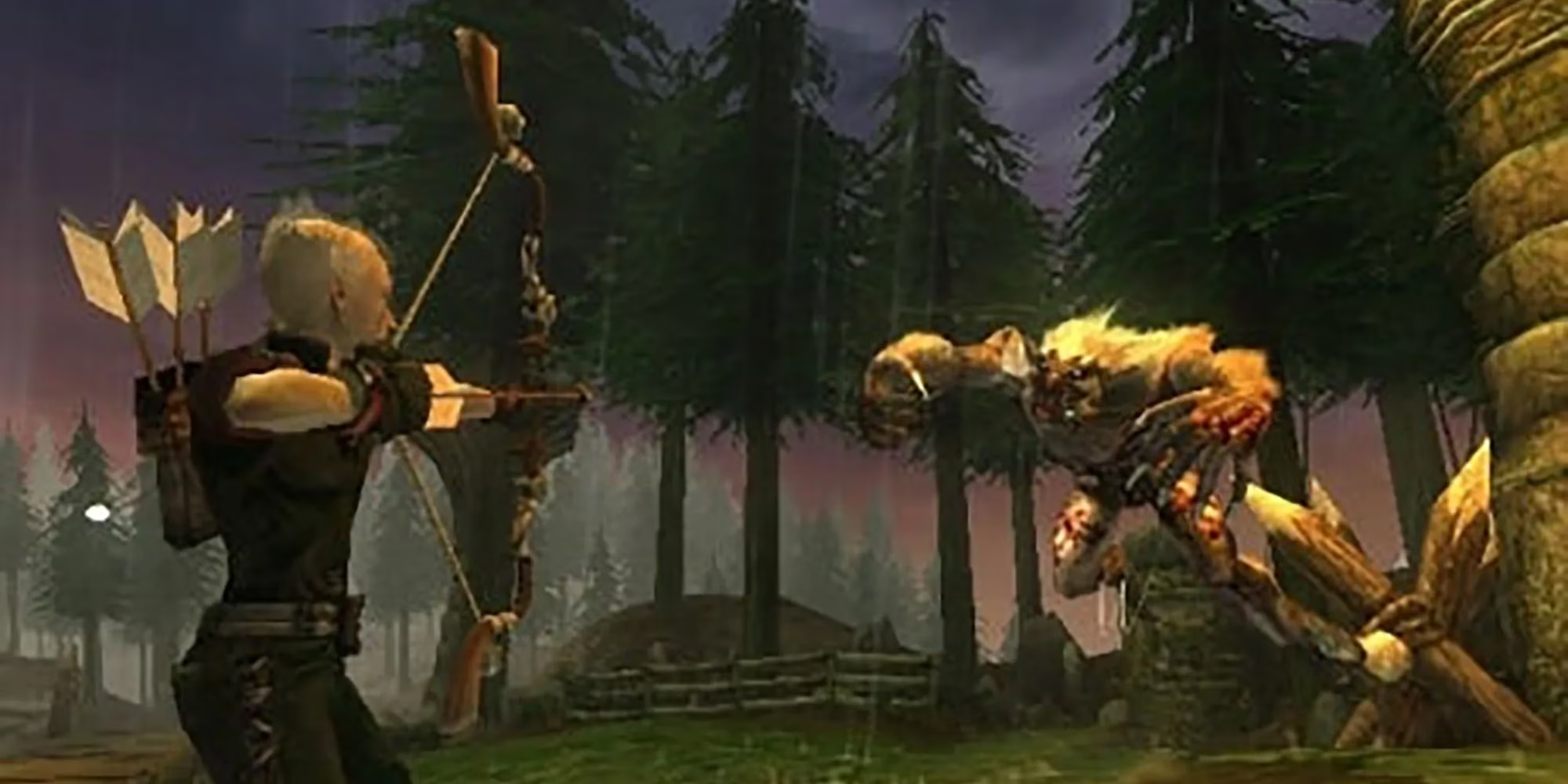
And what of the core legends themselves? They are the pillars upon which Albion was built. The trilogy began with a spark of genius in 2004, a game so ambitious it dreamed of molding a hero's soul. Fable (2004) introduced the world to the Hero of Oakvale and a morality system that would echo through the genre. Albion was a land of beautiful, pastoral danger, and the tale of loss, vengeance, and sacrifice against the sinister Jack of Blades was told with classic elegance. Its mechanics, grand in vision, were sometimes rough-hewn—a pioneer's first, bold map of a world yet to be fully tamed.
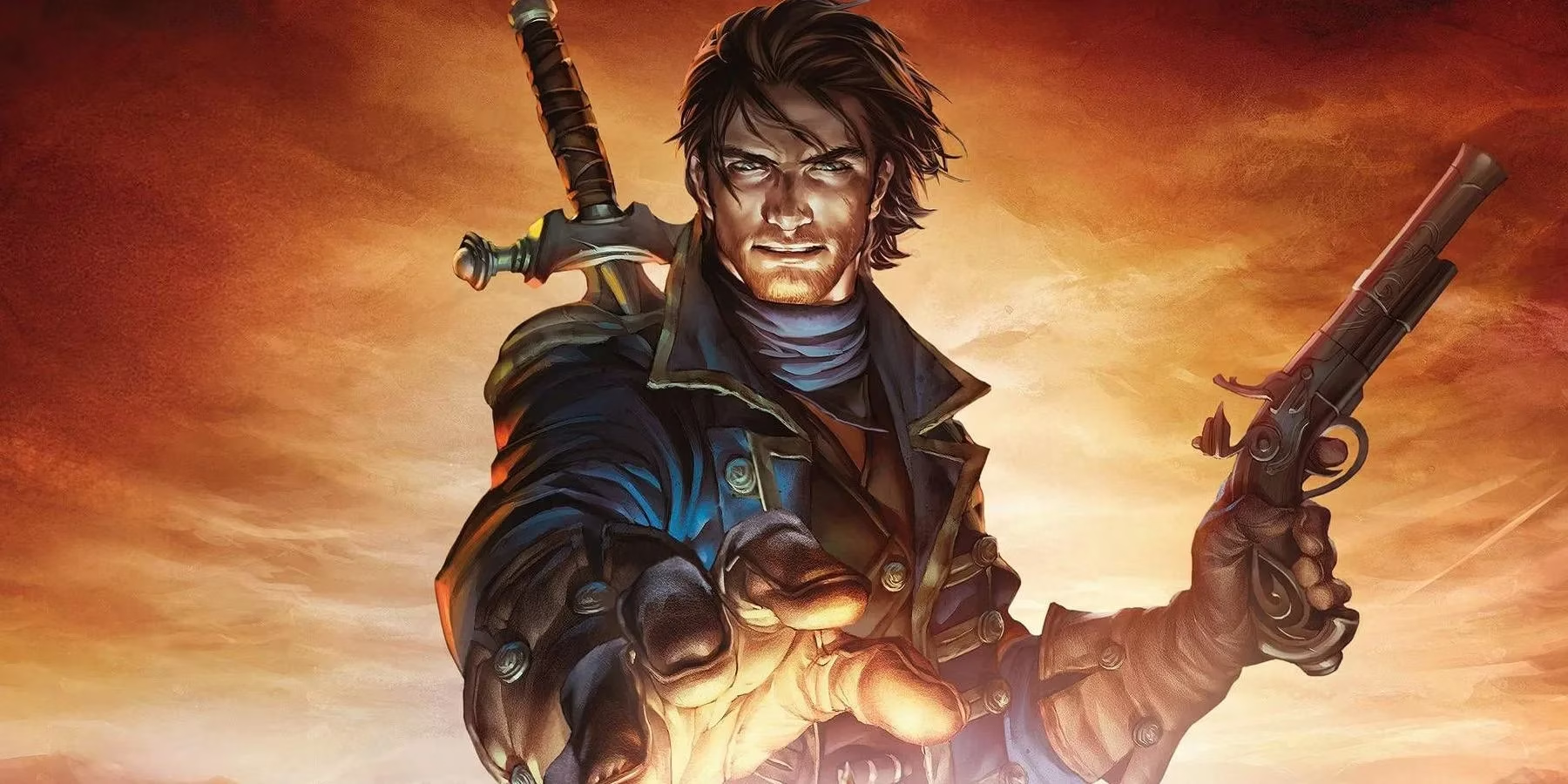
That map was refined, expanded, and illuminated in Fable 2. Here, the sequel performed the rarest of feats: it deepened the systems and also the soul. Albion leapt five hundred years forward, donning the garb of a 16th-century realm. The world grew vast, side missions bloomed like wildflowers, and players could build property empires, living an entire heroic lifetime from childhood to legacy. It was a journey of unparalleled scale and intimacy, a perfect alchemy of improvement that has yet to be perfectly replicated.
Yet, between the first spark and its brilliant successor lies an essential chapter: Fable: The Lost Chapters. More than a mere re-release, it was a vital infusion that kept the legend alive. With new lands to explore, sixteen fresh quests, and troves of equipment, it expanded the original's world without diluting its spirit. It was a precursor to the modern age of expansive content, a bridge between the foundational tale and the epic that would follow.
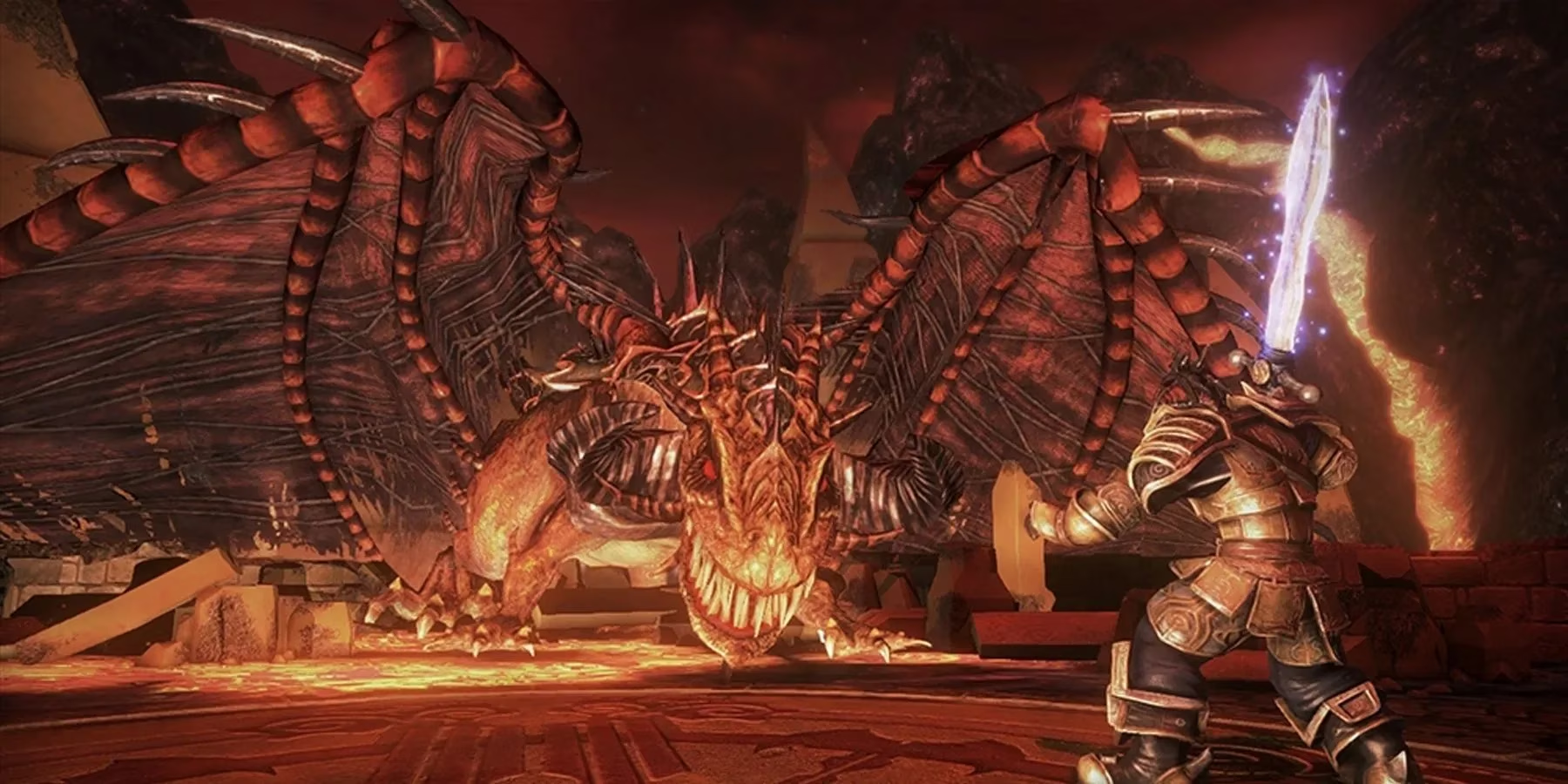
The third pillar, Fable 3, took the boldest chronological leap, thrusting Albion into an age of industry and revolution, a world resembling 19th-century Britain. The story tasked the player with overthrowing a tyrannical king—one's own brother—and then defending the kingdom from a crawling darkness. A fantastic tale in its own right, it is often remembered as the step where the path began to slope downward, the least beloved of the core three, yet still holding within it the embers of Albion's magic.
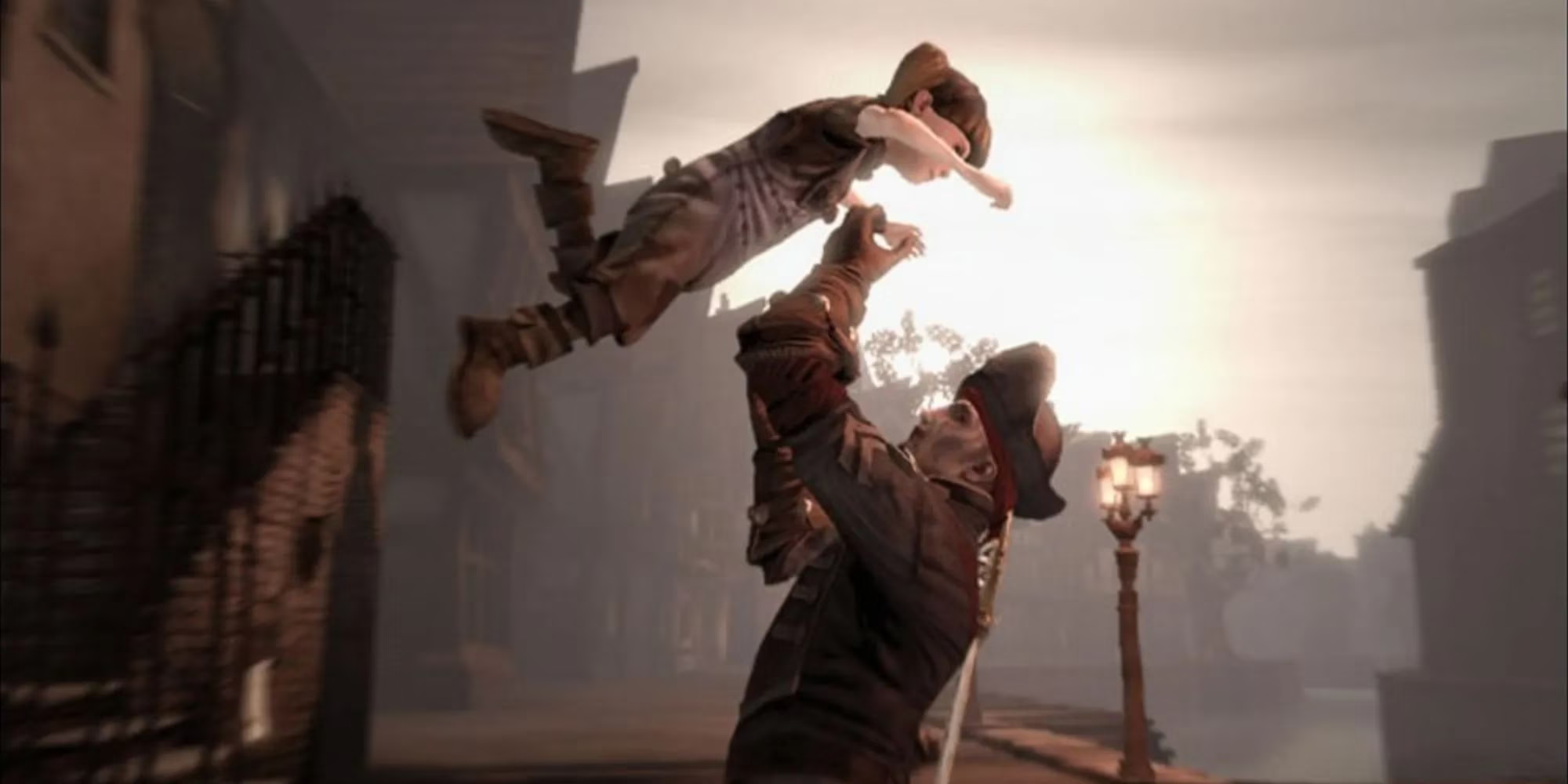
For over a decade now, the mists have lain still over Albion. The franchise has been quiet, its last major tale told long ago. But whispers stir on the wind, carried from 2026. A new dawn is promised—a major entry, a reboot that may be called Fable 4, or simply Fable. It is a potential re-ignition, a spark to set the old stories ablaze with new light. The future of this beloved world, for now, rests entirely on this coming installment. No other spin-offs are announced; all paths converge on this single, looming gate.
Thus, the legacy of Fable is a rich and varied tapestry:
| Game | Release Era | Core Identity | Lasting Legacy |
|---|---|---|---|
| Fable (2004) | The Founding | The Original Hero's Journey | Pioneered moral choice & tone |
| The Lost Chapters | The Expansion | Definitive Enhanced Edition | Bridged original to sequel, prefigured DLC |
| Fable 2 | The Apex | The Lifespan Epic | Perfected systems, unmatched scale & story |
| Fable 3 | The Revolution | Industrial Age Allegory | Bold temporal shift, beginning of hiatus |
| Fable 4 (Upcoming) | The Rebirth | The Modern Reboot | Holds the future of the franchise |
From the humble, heroic origins in Oakvale to the card tables of Fortune and the motion-controlled roads of The Journey, Albion has proven itself a realm of endless possibility. Its tales are woven with loss, triumph, morality, and a uniquely British wit. As the world waits for the next chapter to unfold, one truth remains: in the heart of every player who walked its paths, Albion is not just a setting—it is a feeling, a memory of choices made and a legacy waiting, patiently, to be reborn. 🌄✨