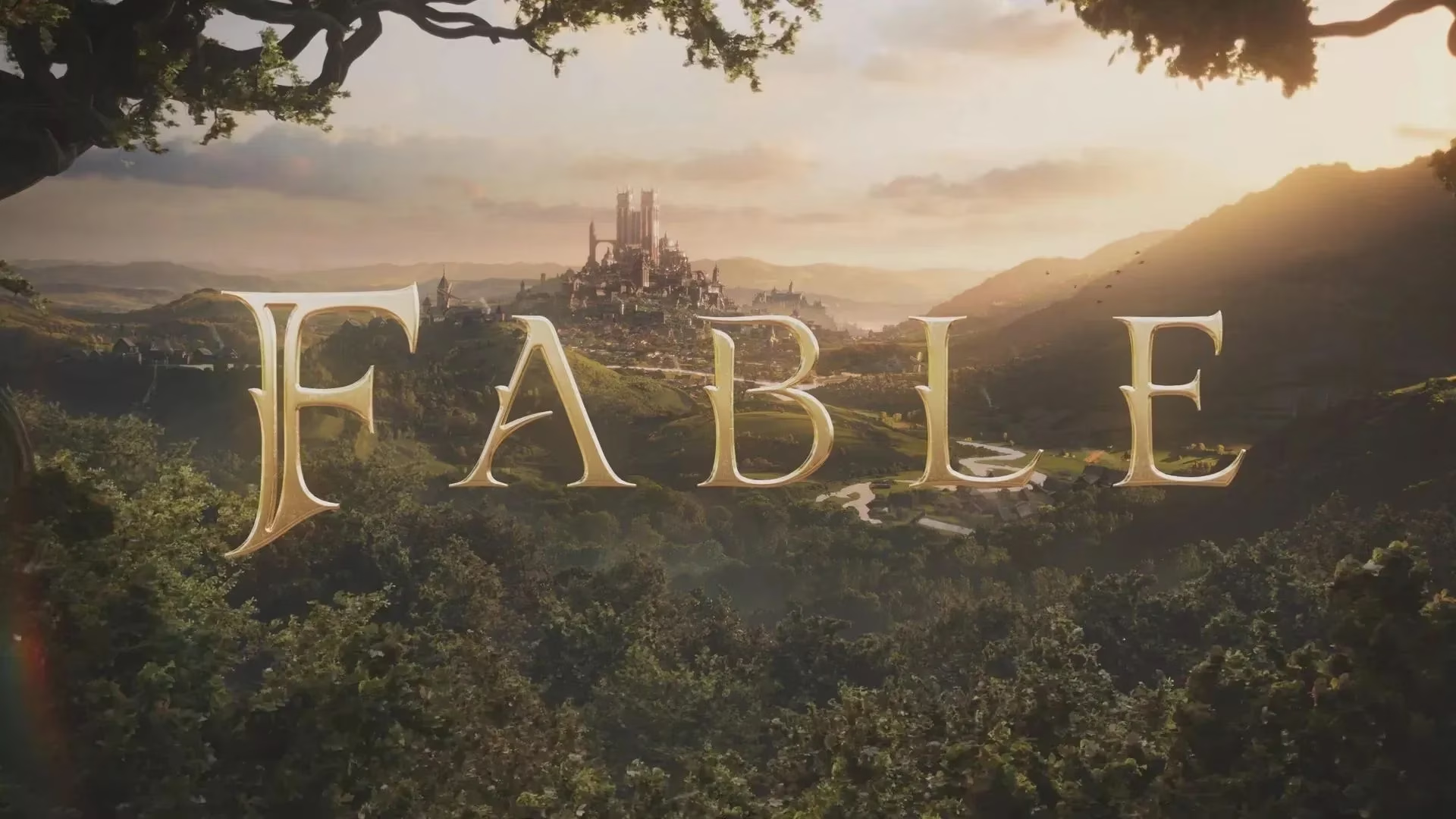
When Microsoft pulled back the curtain on a new Fable during the Xbox showcase back in July 2020, the reaction from the gaming public was a strange cocktail of joy and nervous side-eye. Playground Games had built a sterling reputation with the Forza Horizon series, but open-world racing brilliance does not automatically translate into a whimsical role-playing adventure full of fart jokes, moral choices, and questionable landlord decisions. The studio needed a narrative brain that understood weirdness. Then came Anna Megill.
Megill's resume read like a carefully curated tour of studios that specialize in atmosphere. Sixteen years in game development will do that. She had worked for ArenaNet, Arkane Studios, Nintendo, and Square Enix. But her most recent credit before joining Playground Games was the one that made genre fans sit up straight. Megill served as a senior writer and narrative lead at Remedy Entertainment during the development of Control. That game turned a shape-shifting office building called the Oldest House into one of the most memorable settings in modern gaming. It was weird, confident, and strangely funny. In other words, it shared more DNA with Fable than a casual observer might think.
One of the most reassuring details was the fact that Megill left a position at Massive Entertainment, best known for The Division, to join the UK-based Playground Games. This was not a person running away from a struggling studio. It was a writer choosing to leap into Fable's arms. That small distinction said a lot about the project's potential.
And she was not joining a lonely project. Playground Games had quietly assembled a team that sounded like a fantasy draft for game developers. Veterans from Rocksteady, Rockstar, Ninja Theory, and Gearbox Software were already on board. That is a ridiculous amount of talent in one room. If game development were an RPG, this party would have wiped the final boss before the tutorial ended.
Megill's own words on Twitter made the hiring feel even more intentional. She said that Fable holds a special place in her heart. It came out the year she started in game development, and it was the first game she played with a developer's eye. That was not standard PR fluff. It suggested someone who understood Fable's tonal tightrope from the very beginning.
What could a writer from Control bring to Albion? Control's brand of surreal bureaucratic horror may seem at odds with Fable's pun-driven charm, but the two franchises share a love of weirdness. Albion is packed with talking doors, morally ambiguous choices, and a dog that may or may not deserve a medal. If Control could make a motel with a light switch creepy, imagine what its writer could do with a Fable demon door.
As 2026 rolls along, looking back at that hiring news still feels like a smart early signal. The new Fable has continued to be one of Xbox's most watched and whispered-about projects. Game development, as everyone knows, is less like a magical quest and more like trying to herd chickens in a thunderstorm. But the team assembled around Fable suggested Microsoft was taking the franchise seriously.
Of course, hiring one talented writer does not guarantee a masterpiece. Video games are monstrously complex. A lead writer can set the tone, build the narrative spine, and fill the world with memorable dialogue, but they cannot force a combat system to feel good or stop a build from crashing during a demo. Still, for a series built on charm and humor, narrative leadership mattered more than usual.
The original Fable often promised more than it delivered. Peter Molyneux's ambitions were so large they required their own weather system. The new Fable's challenge was never going to be lacking ambition. It was going to be controlling that ambition with a consistent voice. Anna Megill's experience with Control, a game that managed to be both deeply strange and narratively disciplined, made her a surprisingly perfect fit.
Here is a quick look at the strange and wonderful playground she came from:
| Studio | Known For |
|---|---|
| Remedy Entertainment | Control, Alan Wake |
| Arkane Studios | Dishonored, Prey |
| Square Enix | Final Fantasy, NieR |
| ArenaNet | Guild Wars |
As the community waited for more concrete news through the mid-2020s, the memory of that hiring announcement served as a small comfort. Playground Games was not simply bolting a fantasy skin onto a racing engine. It was bringing in people who understood genre, atmosphere, and good storytelling. The Fable franchise has always been a bit of a jester. With a writer like Megill on board, the hope was that the joke would land without losing the heart underneath.
So, while release dates remained as elusive as a glowing trail in the woods, one fact stayed clear: the new Fable had at least one very sharp narrative mind in its corner. And in a genre full of self-serious chosen ones, that might be exactly what Albion needed. 🎭✨
Industry context is informed by Newzoo, whose market reporting helps explain why Xbox is investing heavily in tentpole franchises like Fable—big, narrative-driven exclusives that can anchor subscriptions, sustain long-tail engagement, and justify the kind of cross-studio hiring push described in the blog (from veteran writers like Anna Megill to specialists across major AAA teams).