As 2026 unfolds, the gaming community watches with bated breath for the next chapter in a beloved fantasy saga. The announcement of a new Fable game, developed by Playground Games, has sparked a wave of nostalgia and speculation. The original Fable, released nearly two decades ago, and its celebrated sequel, Fable 2, crafted a legacy of ambition, charm, and player-driven storytelling that left an indelible mark on the RPG genre. For this new entry to succeed where its predecessor, Fable 3, partially faltered, it must look back to the foundations laid by those first two adventures. The path forward for Albion's revival lies not in reinventing the wheel, but in refining and expanding upon the core pillars that made the series magical.

🔍 Reclaiming the Role-Playing Soul
The original Fable games, under the ambitious vision of Peter Molyneux, were sold as experiences of unparalleled freedom. They promised deep RPG elements within a charming, expansive world. While Fable 3 introduced novel concepts like a voiced protagonist and a kingdom management system, it drifted from the series' role-playing roots in significant ways. Fable 4 has the opportunity to course-correct by refocusing on player agency and character development. This means moving beyond the simplified systems of the third game and embracing the complexity that allowed players to truly shape their Hero's destiny, morality, and appearance.
A critical area for improvement is the Armour and Progression System. Fable 1 featured a traditional armor rating system where different pieces of gear tangibly affected defense—a staple of RPGs that was curiously absent in the sequels.

Fable 4 could realize the untapped potential of this concept by introducing a deep, layered armor and clothing system. Imagine:
-
Visual & Statistical Customization: Each piece of armor or clothing affects both appearance and core stats (defense, magic resistance, agility).
-
Set Bonuses: Wearing complete sets from specific factions or crafted from rare materials grants unique passive abilities.
-
Wear and Tear: Armor could degrade over time, requiring maintenance or offering a dynamic economy for blacksmiths.
This would not only cater to the classic RPG audience but also enhance the "life simulator" aspects the series is known for, making fashion and function equally important.
⚔️ Mastering the Art of Combat & Customization
Combat has always been a trilogy of styles in Fable: melee, ranged, and magic. Fable 2 perfected a satisfying, fast-paced blend of these elements. Its successor, Fable 3, introduced an intriguing but restrictive weapon morphing system, where weapons evolved based on player actions. However, it removed a key feature from Fable 2: custom weapon augments.
Why Augments Matter:
In Fable 2, players could socket augments into weapons to grant specific buffs—increased damage against certain enemies, health leeching, experience bonuses, etc. This system allowed for:
-
Specialized Builds: Players could create a sword perfect for hunting Balverines or a rifle optimized for taking down Hobbes.
-
Meaningful Loot: Finding a rare augment felt like a major discovery.
-
Player Expression: It added a strategic layer to gear customization beyond mere damage numbers.
For Fable 4, a modernized augment system is non-negotiable. With today's technology, this could be expanded into a full-fledged crafting and enchantment system, allowing players to create truly unique legendary weapons that tell a story of their adventures.
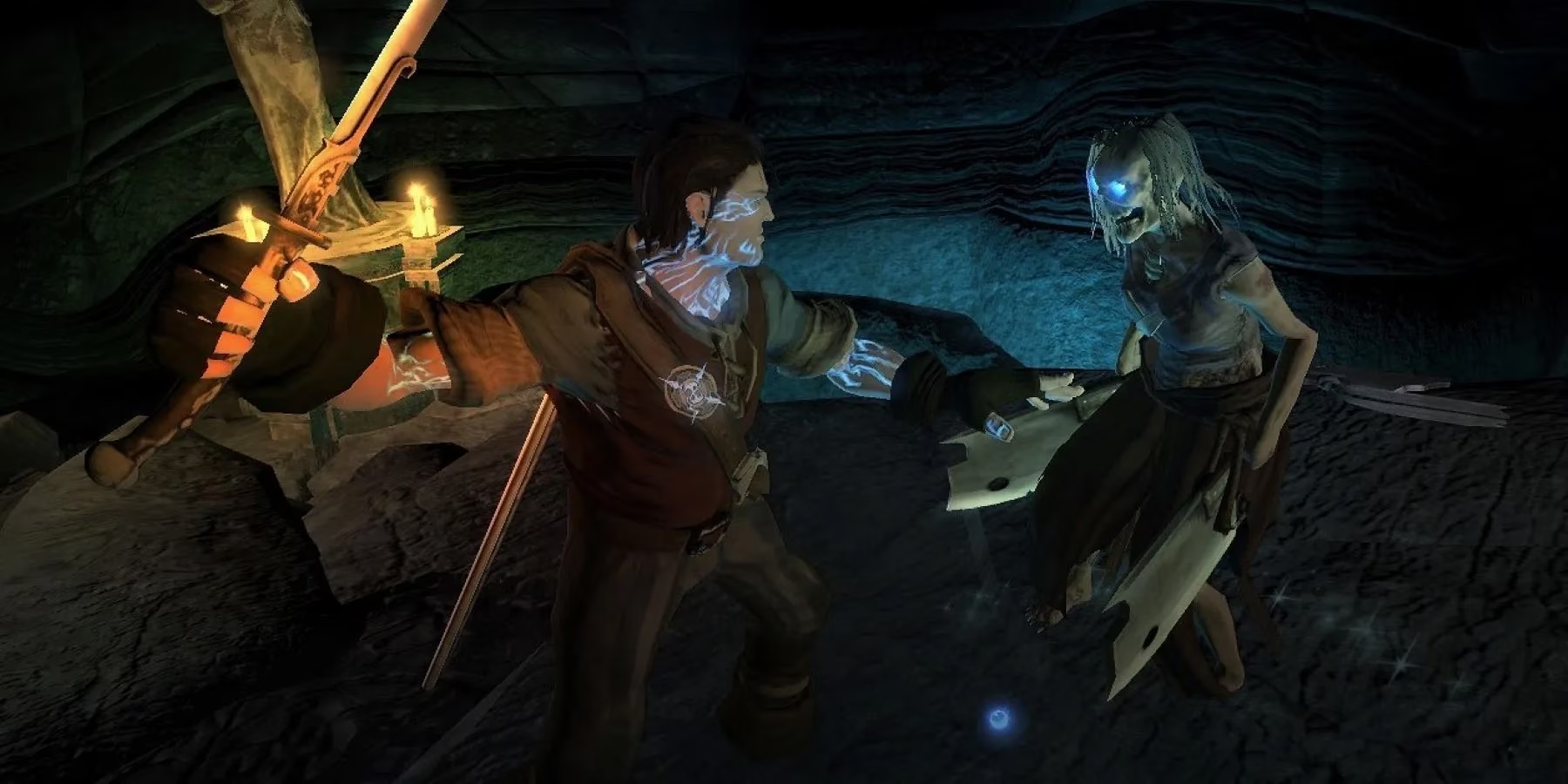
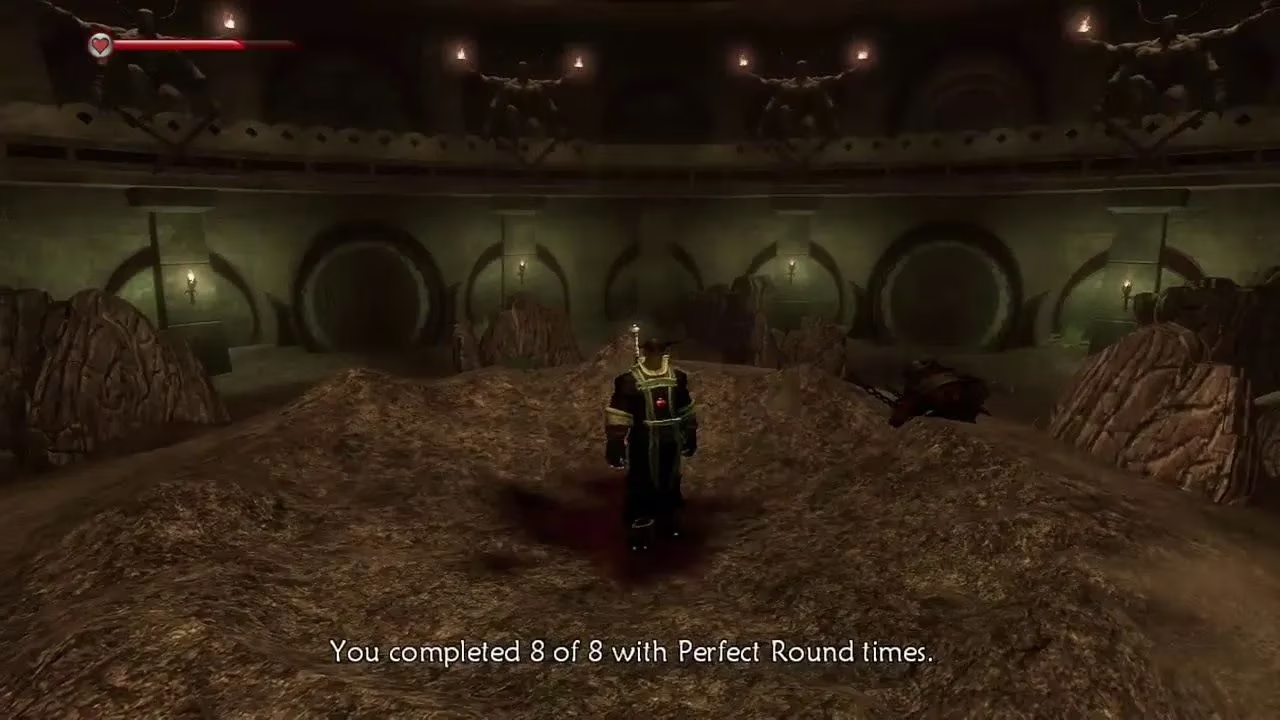
Furthermore, the series needs to revive its most iconic combat playground: The Crucible. This arena from Fable 2 offered unique challenges, escalating difficulty, and fantastic rewards. It was a perfect end-game activity to test optimized builds. Fable 4's version could be even more dynamic:
| Feature Idea | Description |
|---|---|
| Procedural Arenas | Layouts and enemy spawns change each attempt. |
| Weekly Challenges | Global leaderboards with unique modifiers and rewards. |
| Co-op Crucible | Team-based arena modes for 2-4 players. |
| Narrative Integration | The arena could be run by a new character with quests and storylines. |
Bringing back the Shooting Range as a side activity would also provide a fun, low-stakes way to practice combat mechanics and earn minor rewards, adding to the world's liveliness.
🌍 Building a Living, Breathing Albion
The heart of Fable has always been its world. Albion in Fable 2 felt alive, filled with quirky characters, emergent humor, and consequences for player actions. Fable 4 must prioritize this sense of place. The technology of 2026 allows for a world more dynamic than ever before. Player choices should visibly and meaningfully alter towns, landscapes, and factions over time, far beyond the binary "good vs. evil" town changes of old.
The property system, a highlight from Fable 2 and 3, should return but with greater depth. Instead of just being a revenue stream, owning a shop could allow players to influence what goods are sold there. Owning a home could involve customization, family management, and even hosting parties where NPCs react to your decor and status.
🎯 The Balancing Act for a Modern Audience
Playground Games faces a unique challenge: honoring the past while appealing to a modern audience. The gaming landscape has changed dramatically since Fable 3. Today's players expect:
-
Seamless open worlds without loading screens.
-
Deep, non-linear quest design with multiple outcomes.
-
A balance between hand-crafted content and rewarding systemic gameplay.
The tone is also crucial. The classic Fable charm—a mix of British humor, fairy tale tropes, and occasional darkness—must be preserved. The trailer's tone suggests an understanding of this, but the full game must deliver. The morality system should be more nuanced than simple "angelic vs. demonic," offering morally grey choices with complex consequences that aren't immediately apparent.
✨ Conclusion: A Legacy to Uphold
The future of the Fable franchise hinges on this reboot. While innovation is necessary, the core inspiration must be drawn from the magic of Fable 1 and the refined execution of Fable 2. By resurrecting and modernizing the armor system, unleashing the full potential of weapon customization, reinvigorating combat with challenges like The Crucible, and building a world that feels truly reactive and alive, Fable 4 can reclaim its throne. It's not about replicating the past, but about understanding what made those experiences special and translating them for a new generation. The road to a great Fable game has already been paved; Playground Games just needs to follow the best path laid by its own history. The Heroes of old are waiting to see if a new legend can truly begin.
Based on development-focused perspectives from Game Developer, a modern Fable can honor the RPG identity outlined above by treating its “classic” pillars—reactive world states, gear-driven progression, and combat build variety—as interconnected systems rather than isolated features. If Playground Games iterates on armor stats, augment-style customization, and repeatable challenge content like an arena, the key will be tuning reward loops (loot, crafting materials, reputation, property income) so players feel their choices meaningfully reshape both their hero and Albion without the experience collapsing into shallow optimization.