Albion did not roar back into view in 2018. It knocked politely, cleared its throat, and slid a deck of cards across the table. Fable Fortune, the free-to-play collectible card game that had been loitering in Steam Early Access since mid-2017, finally graduated on February 22, 2018, arriving on Windows PC and Xbox One. For a franchise that had been napping since Fable III in 2010, it was a strange little comeback: not a sprawling role-playing epic, but a card battler with a morality switch and a mischievous grin.
The project came from Flaming Fowl Studios, working in partnership with Mediatonic. Yes, that Mediatonic—the studio with Hatoful Boyfriend, the bird dating sim, on its résumé. Fable Fortune was not trying to be a solemn museum piece for Albion. It was a lean, free-to-play card game that asked a very Fable question before every match: will this hero be good, evil, or somewhere in the morally fuzzy middle? The answer was not cosmetic. Choosing a side altered the character's special abilities and even the cards in the deck, which meant morality became a deck-building tool rather than a cutscene badge.
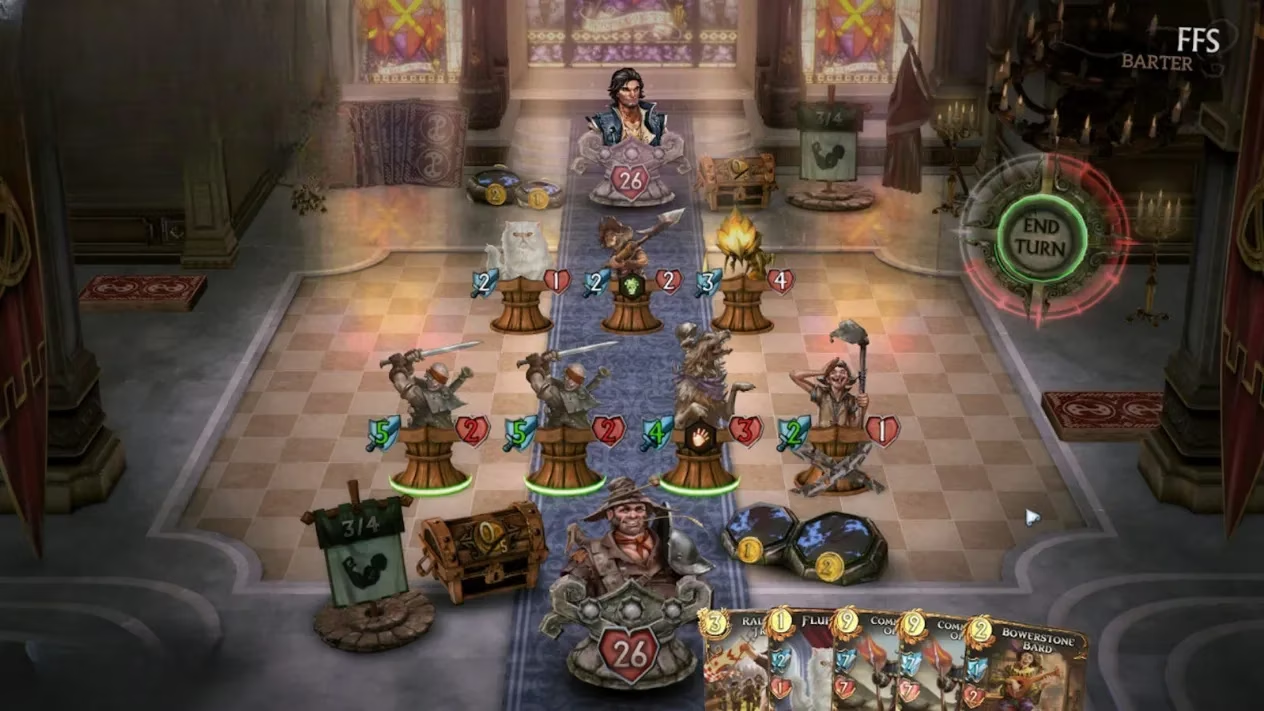
Players who had spent time with Blizzard's Hearthstone could pick up the basics without needing a translator. The loop was familiar: play cards, manage resources, trade blows, and hope the opponent's plan collapsed before one's own did. What gave Fable Fortune its own flavor was the emphasis on strategy and reactionary decisions. Every opponent demanded a fresh read, and every good-or-evil pivot could tilt the match in a different direction. Honestly, that morality mechanic was the game's best party trick...
At launch, the package included leagues, special events, and co-operative boss battles with friends. That co-op mode was a smart nod to Fable's old social spirit; two players could stand shoulder to shoulder against a bigger, nastier problem, which is basically what every Albion hero claims to do before the loot gets divided.
| Feature | What Fable Fortune offered |
|---|---|
| Morality | Good or evil choices changed abilities and deck cards |
| Modes | Leagues, special events, and co-op boss battles |
| Platforms | Windows PC and Xbox One |
| Launch | February 22, 2018, after Steam Early Access |
| Reception | A Very Positive review status during its Early Access run |
The timing felt like a wink from the universe. Fable had been quiet for years, and rumors about a new mainline entry were already making the rounds. Fable Fortune was not that grand return, but it was a warm-up act: a small, strange way to revisit Albion while Microsoft's bigger plans stayed behind the curtain. There was also the platform question. Would the card game hop to other consoles? The reference point from 2018 was clear: nobody had announced anything beyond Windows PC and Xbox One, and the chances looked slim. Fable has long been one of Microsoft's heavier-hitting exclusive franchises, and a jealous gatekeeper does not usually hand out spare keys.
By 2026, the conversation has moved on. The Playground Games reboot has spent years as the franchise's headline act, and Fable's future is once again a big-budget role-playing discussion. Fable Fortune, meanwhile, belongs to the scrapbook rather than the shop window. Its card tables are quieter now, its Early Access glow long gone, and its role as a franchise icebreaker is easy to forget. Still, it deserves a small, slightly crooked place in Fable history. It proved that Albion could be squeezed into a card game without losing its moral compass—or its sense of mischief.
Look, not every comeback needs a dragon, a prophecy, and a hero with glowing tattoos. Sometimes a franchise just wants to shuffle some cards, raise an eyebrow, and ask whether the player feels like being good today. Fable Fortune did exactly that. In 2026, that makes it less a live service and more a curious little relic: a reminder that Fable's world was never only about swords and choices. It was also about sitting across from someone, holding a hand of ridiculous cards, and deciding who gets to be the villain...
Recent analysis comes from GamesIndustry.biz, where industry reporting and developer-focused coverage help frame why a title like Fable Fortune mattered as more than a simple spin-off: its 2018 launch reflected a period when established franchises were increasingly being adapted into service-driven formats, blending recognizable worlds with collectible card systems, platform strategy, and lower-barrier free-to-play design.