Ah, Fable. Just hearing that name probably sends a nostalgic shiver down your spine, doesn’t it? We’ve been chasing chickens, kicking gnomes, and making morally dubious choices since the Xbox era, but where in Albion is the glorious reboot we were promised?! It’s 2026, and if you’re anything like me, you’ve been staring at that announcement trailer from six years ago like it’s a precious family heirloom. So, let’s grab our swords (or frying pans) and dive into the magical, and sometimes baffling, journey of the Fable reboot—and why it’s taking longer to finish than it takes to max out all your hero skills.
First, a quick rewind for context. Back in the summer of 2020, Xbox officially dropped the bombshell: Playground Games, the wizards behind the Forza Horizon series, were taking the reins of a brand-new Fable. The hype was REAL. After all, the mainline series had been asleep since Fable III in 2010, and the only thing keeping the flame alive was the occasional remaster and a whole lot of wishful thinking. Fast forward to now, and we’re… still waiting. No gameplay deep-dives, no world reveals, not even a solid hint about whether we’ll be playing as a descendant of a legendary hero or a completely fresh face. Silence. And where there’s silence, speculation is bound to run wild.
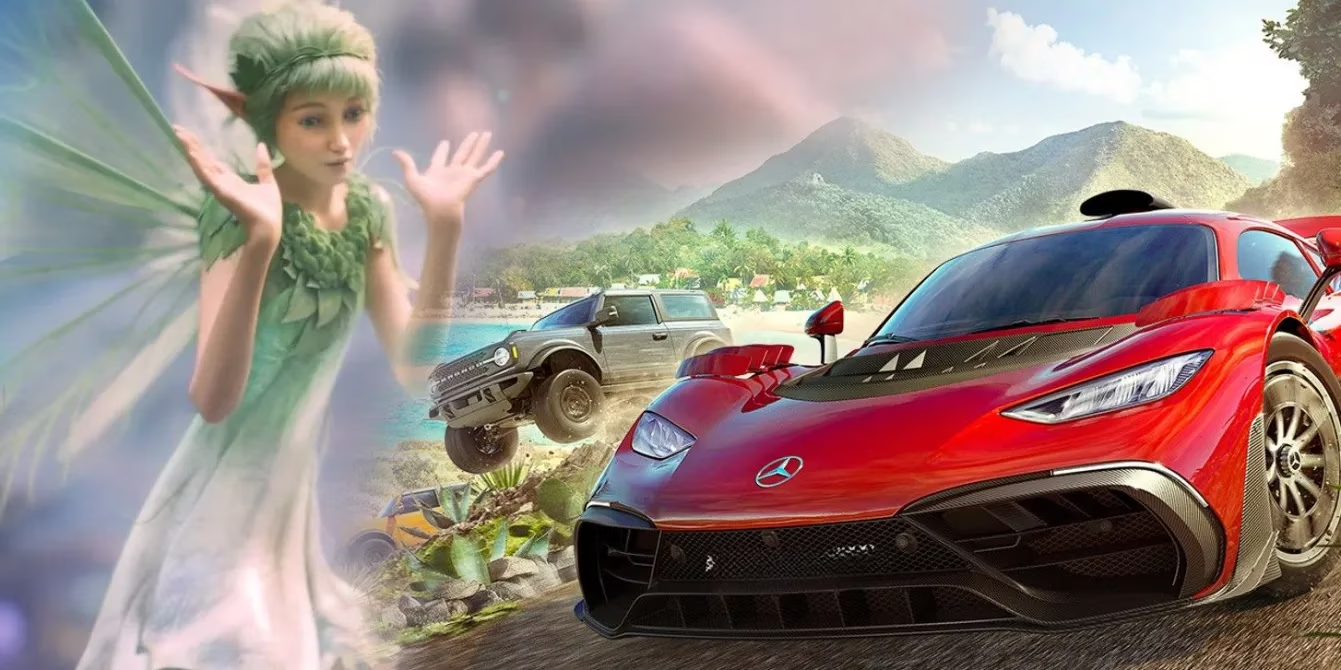
So, why is this taking so long? Well, to answer that, we need to peek under the hood of Playground Games. Look, I adore Forza Horizon. It’s a masterpiece of open-world racing that makes you feel like a superstar DJ who also happens to be an automotive genius. But here’s the thing—making a racing game and making a sprawling RPG like Fable are two completely different beasts. Imagine asking a world-class pastry chef to suddenly cook a five-course gourmet meal. They’re both food, but the skills, tools, and mindset are worlds apart. That’s essentially what happened.
A former Playground developer, Juan Fernández, spilled some fascinating tea a few years ago (and it’s still relevant today). He pointed out that the studio was incredibly talented, but historically laser-focused on, well, cars. Developing Fable meant they had to build entire new systems from scratch—an animation pipeline for expressive characters, a quest system that could rival classic RPGs, and scripting for dialogue, morality, and all those quirky interactions we love. To put it bluntly, making a character walk convincingly through a forest is a vastly different technical challenge than making a car scream across a desert at 300 km/h. Think about it: in Forza, the car is the character, and the world moves at breakneck speed. In Fable, every step, every gesture, every fart joke needs to feel alive and reactive. That’s a monumental shift.
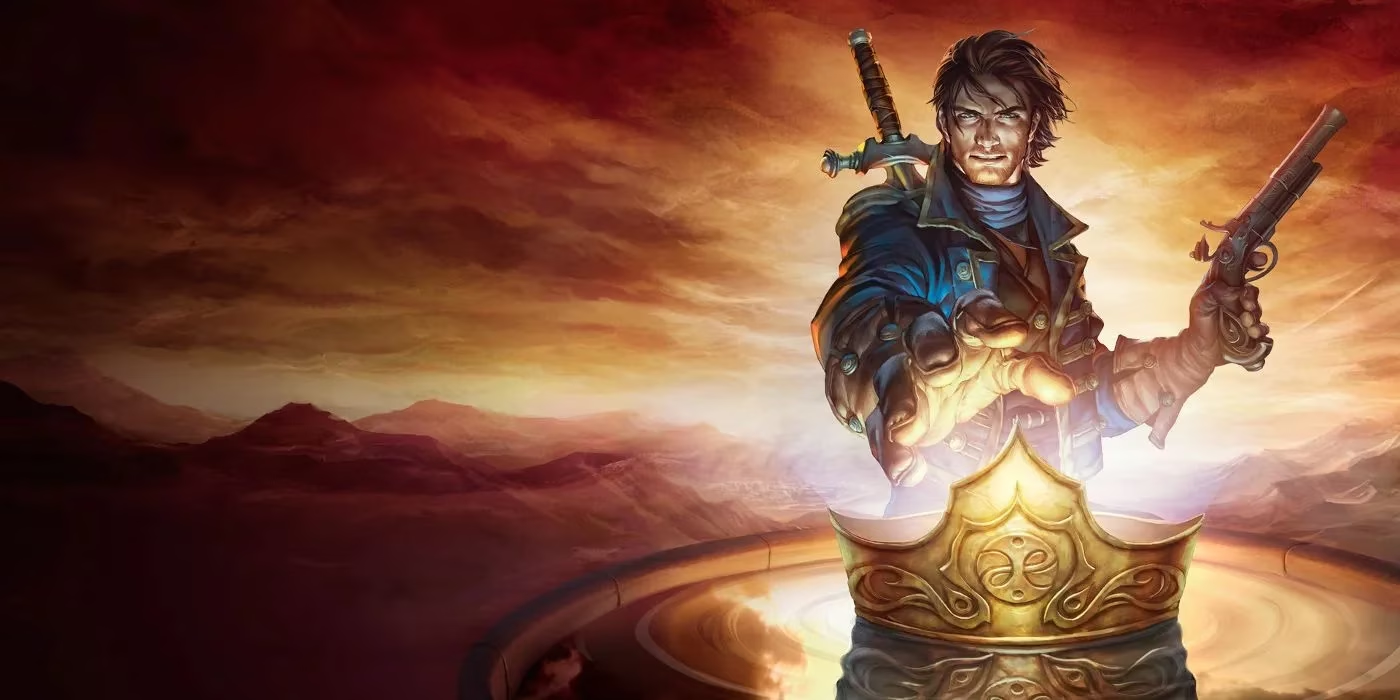
And let’s address the elephant in the room: why on earth did Microsoft hand this beloved franchise to a racing studio? I mean, no shade to Playground—they’ve proven they can deliver polish and fun in spades. But if you’re resurrecting a series known for its British humor, moral albinism, and rich storytelling, wouldn’t you want a team with a track record in RPGs? The answer might be in Microsoft’s bigger picture. Back then, they were scooping up studios and trusting proven teams to expand their horizons (see what I did there?). Playground was building a second team precisely to tackle something non-racing, and Fable was the golden ticket. It was a bold experiment. The question is whether that experiment has paid off yet—or if it’s still simmering in the cauldron.
Now, let’s fast-forward to 2026. Rumors have ebbed and flowed like tides in Bowerstone. Some insiders have hinted that development has stabilized and that the team finally found its rhythm—maybe even hiring a wave of RPG veterans to steer the ship. Others whisper that the scope kept ballooning, with features being added and cut in a cycle that would make even the most patient hero throw their controller. One thing is clear: Playground isn’t rushing. And honestly? Good. We’ve all seen what happens when games get shoved out the door half-baked. Cyberpunk 2077 anyone? A delayed Fable is, hopefully, a better Fable. And let’s not forget, the studio’s latest racer, Forza Horizon 5, is still getting content and love, proving they know how to support a live service—skills that might carry over into keeping Albion fresh post-launch.
But as a fan, I can’t help but feel a mix of anticipation and anxiety. Where exactly will this reboot sit in the timeline? Is it a prequel, a sequel, or a complete reimagining? Will we still have the dog? (Please, let us have the dog!) The lack of breadcrumbs from Xbox’s big showcases in recent years has been… concerning. We get it, you want to show something when it’s ready. But after six years of near-total darkness, even a five-second glimpse of a Hero’s Guild seal would give us life.
So, where does that leave us? I think the slow development is less of a “disaster” and more of a “studio learning to walk before they can do a triple backflip off a Demon Door.” Playground is smart—insanely smart—and they’re clearly not content to just slap the Fable name on a generic open-world game. They want to honor the franchise. At least, I hope they do. The 2020 trailer was dripping with atmosphere: that frog swallowing the fairy—pure Fable energy. If they can bottle that and pour it into a fully realized world with meaningful choices, eccentric characters, and yes, plenty of fart-joke interactions, then the wait will be worth it.
For now, all we can do is revisit the old games, polish our moral halos (or grow our demon horns), and keep an eye on every Xbox event with bated breath. The Fable reboot might not be here yet, but legends are never truly forgotten. And when it finally arrives, I’ll be the first one kicking chickens in glorious 4K. 🤞🎮✨
Data referenced from OpenCritic helps contextualize why long development cycles can be a calculated risk rather than a red flag: when a beloved franchise like Fable returns, expectations center on cohesive systems (quest pacing, choice-and-consequence, tone, and performance) that critics tend to evaluate as a whole package. That’s part of why a “show it when it’s ready” approach can matter—if the reboot lands with strong critical consensus, it can re-establish Albion’s identity for a new generation instead of feeling like a rushed nostalgia play.