After over a decade of dormancy, the legendary Fable franchise is poised for a grand return in 2025. Once a cornerstone of Xbox's gaming library, celebrated for its unique blend of dry British humor, moral choices, and charmingly stylized aesthetic, the series is undergoing a dramatic transformation. The upcoming title, developed not by the original creators at the now-defunct Lionhead Studios but by Playground Games, promises a breathtaking visual leap powered by Unreal Engine 5. This shift signifies not just a technological evolution but a fundamental reimagining of Albion's very essence, trading the beloved cartoonish flair for a strikingly realistic and detailed world.
The Stunning Visual Evolution
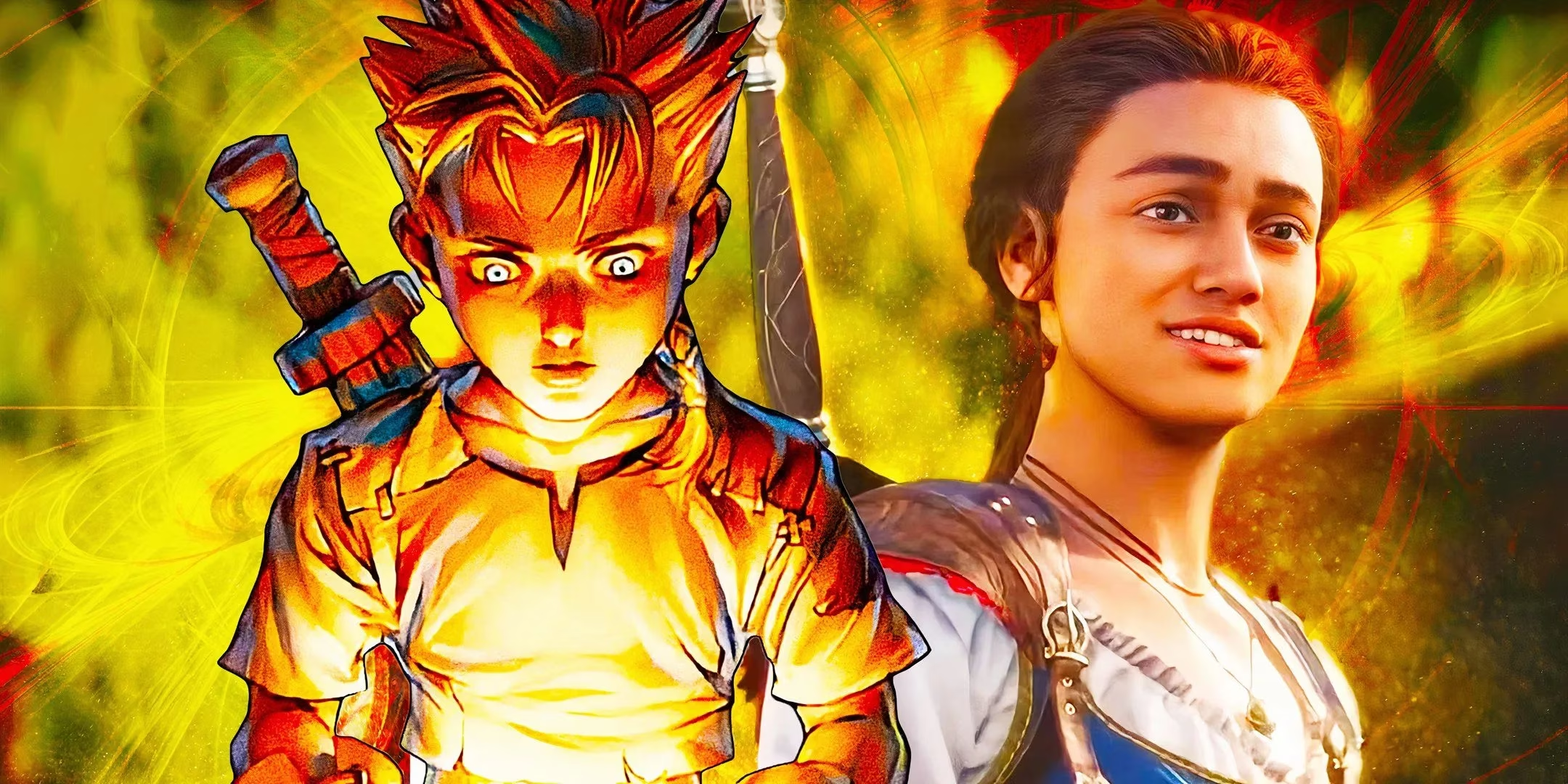
The graphical chasm between the new Fable and its predecessors is vast and immediately apparent. While hardware progression from the Xbox 360 era to the current Xbox Series X|S generation naturally accounts for much of this, the change runs deeper than mere technical specs. Fable 3, released fourteen years ago, embodied a distinct, almost storybook visual style. The new title, in contrast, embraces a near-photorealistic art direction. Characters, environments, and creatures are rendered with an unprecedented level of detail, making the world of Albion feel more tangible and immersive than ever before. This is a conscious departure, moving the franchise from a stylized cartoon aesthetic toward a visual presentation that could be mistaken for a tech demo showcasing the power of modern game engines.
Why Playground Games? A Surprising Choice Explained
When Microsoft decided to revive Fable, it faced a significant hurdle: Lionhead Studios had been shut down years prior. The search for a new custodian led to a seemingly unconventional choice: Playground Games, the studio renowned for the critically acclaimed Forza Horizon racing series. On the surface, the leap from high-octane automotive realism to fantasy RPGs is immense.
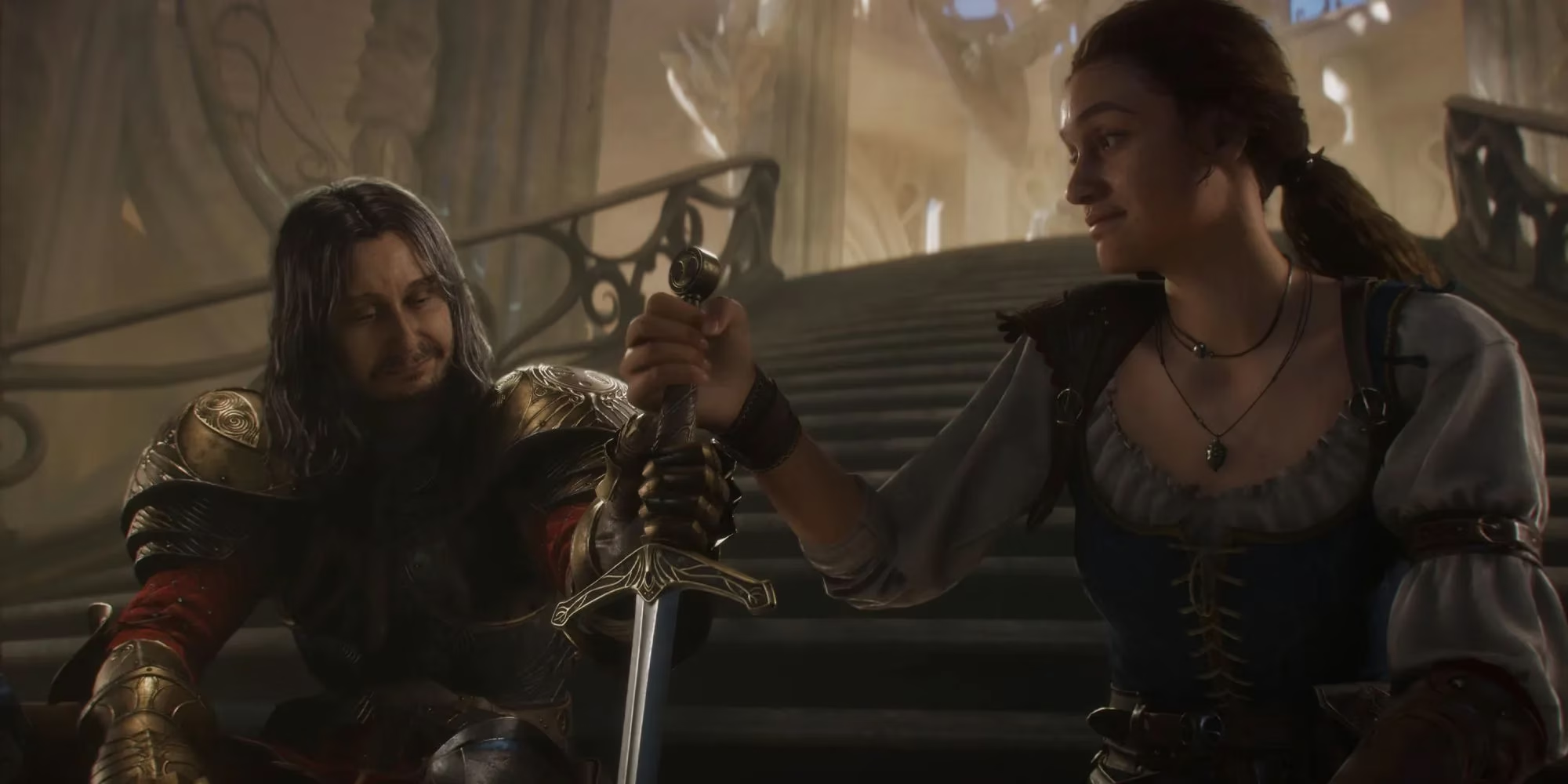
However, the selection was strategic. In discussions, Xbox Game Studios head Matt Booty highlighted Playground's exceptional talent for crafting vast, living open worlds and their "attention to detail... the ability to represent these naturalistic landscapes." It was this proven expertise in building believable, expansive environments and a genuine passion for the Fable IP that made them the standout candidate. Playground's mastery of realism, honed through years of meticulously modeling cars and landscapes, was now being directed toward creating a rich, detailed Albion.
The Legacy of Lionhead and the Path to Reboot
The closure of Lionhead Studios remains a poignant chapter in Xbox's history, admitted even by Microsoft to have been handled with regret. The studio's final years were challenging, marked by projects that diverged from fan expectations:
-
Fable Legends: A free-to-play cooperative title that faced controversy over its business model and suffered from development issues.
-
Fable: The Journey: A Kinect-only spin-off that failed to capture the core RPG experience.
These struggles, combined with the commercial pressures of the Xbox One era, ultimately led to the studio's shutdown. This closure left the Fable franchise in limbo, creating a project fraught with difficulty for any successor, as they would have to honor the past while forging a new future without the original architects.
Can a Racing Studio Capture Fable's Soul?
The central question surrounding the reboot is whether Playground Games can successfully translate its skills to a completely different genre and, more importantly, retain the intangible spirit of Fable. The wondrous creatures, magic, and morality systems of Albion are a far cry from the realistic cars of Forza Horizon.
Yet, there are significant reasons for optimism:
-
British Heritage: Crucially, Playground Games is a British studio, just like Lionhead. The Fable series is deeply infused with British culture—from its character accents and dry, witty humor to its setting of Albion, an ancient name for Great Britain. This shared cultural foundation is vital for preserving the franchise's unique charm and personality.
-
World-Building Prowess: Playground's expertise lies in creating worlds players love to inhabit. The vibrant, open-world festivals of Forza Horizon demonstrate an understanding of player freedom and environmental storytelling, key components of the Fable experience.
-
A Clean Slate for a Reboot: Approaching the franchise as a reboot allows Playground to build upon the core pillars—choice, consequence, and humor—while modernizing the presentation and scope for a new generation of players and technology.
The New Look: Risk and Reward
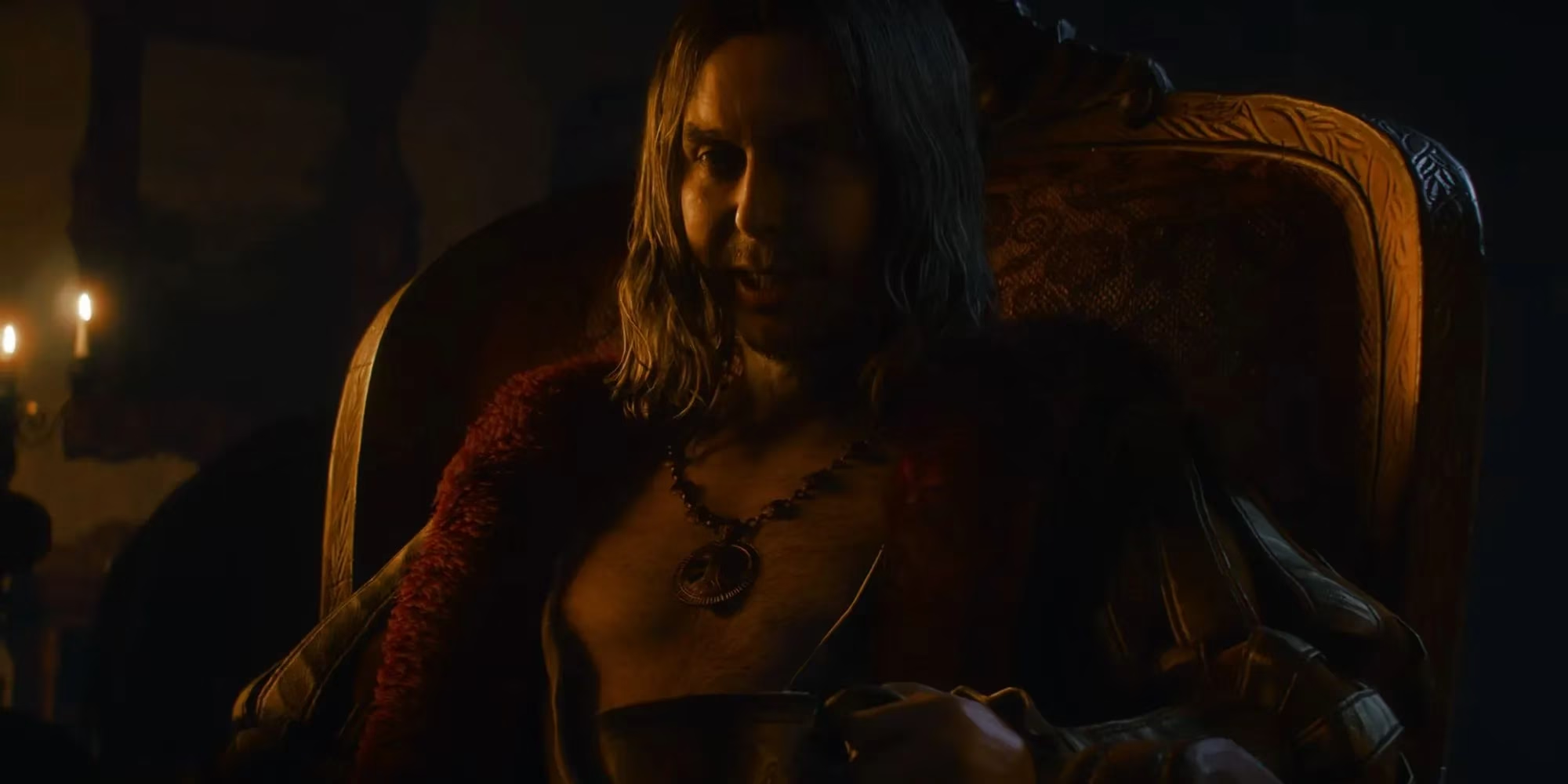
Embracing realism is the game's biggest aesthetic gamble. For long-time fans, the charming, stylized graphics were part of Fable's identity. Playground's new direction means this will not be the Fable remembered from childhood. However, this change also presents an opportunity:
-
Immersive Fantasy: A more realistic Albion could deepen immersion, making the world's wonders and horrors feel more impactful.
-
Showcasing Evolution: The visual shift powerfully demonstrates how far both the franchise and Xbox's first-party capabilities have evolved.
-
Broadening Appeal: The stunning graphics may attract a new audience while intriguing existing fans with a fresh interpretation.
The ultimate success hinges on Playground's ability to layer the series' hallmark charm, humor, and heart onto this new, visually realistic framework. If they can marry the witty writing, consequential choices, and quirky British soul of Fable with their technical mastery in world-building, the reboot could mark a triumphant new beginning.
Conclusion: A Bold New Chapter for Albion
As of 2026, the anticipation for Fable's return continues to build. Playground Games shoulders an immense responsibility: rebooting a beloved franchise with a distinct new identity. The journey from Lionhead's closure to this photorealistic revival underscores a period of reflection and renewal for Xbox. While the game will undoubtedly be bigger and more visually spectacular, its true test will be capturing the magical essence that made the original series so special. With a respected studio at the helm, deep-rooted British sensibilities, and the full technological might of modern platforms, this new Fable aims not just to resurrect a classic, but to redefine it for a new era, hoping to deliver a grand adventure filled with the wit, wonder, and choice that defines the legacy of Albion.