Lionhead Studios closed its doors for the final time in 2016, and in 2026 the story still tastes like a teacup brewed from regret. The British developer had spent twenty years building worlds, bending genres, and occasionally promising the moon with a straight face. Its final day was marked by an outpouring of comments from staff and well-wishers on social media, which is the modern equivalent of a Viking funeral conducted entirely in replies. Fans had feared the worst, and the worst arrived with a polite press statement and a calendar entry.
Microsoft had announced the closure a month earlier, shocking the studio’s followers. A six-week consultation period followed, ostensibly to find a buyer or a new lease on life for the shuttered team. No buyer materialized. The process had the hopeful energy of a lifeboat drill on a ship already halfway to the seabed. Lionhead would close, exactly as the pessimists had predicted and the optimists had desperately tried to un-predict.
A Microsoft spokesman said the company had given the matter much consideration and that employees had been consulted about the prospect of closing the studio. The official outlook then did what official outlooks do best: it focused on the positives. The spokesman offered heart-felt thanks to the team and praised its significant contributions to Xbox and the games industry. It was a gracious send-off, though one suspects the staff would have traded a portion of the gratitude for a continued payroll.
Lionhead was founded in 1996 by the ever-controversial Peter Molyneux. The studio rose to prominence with the classic PC strategy title Black & White, a game about a giant creature, moral choices, and the player’s ability to be either a benevolent deity or a cosmic nuisance. Lionhead then turned its attention to the nascent Xbox platform with Fable. That series became something of a defining IP for Xbox, filling the flagship RPG role on a console better known for shooters. In a landscape of gravel-voiced space marines, Fable offered British whimsy, moral posturing, and the irresistible promise that a chicken could be kicked.
Two sequels followed, along with a pair of spin-offs and a remake of the first installment for its tenth anniversary. The studio also accumulated a collection of intriguing games that never saw release. Early Xbox exclusive BC was cancelled. The third entry in the Black & White series was cancelled. Fable Legends, the game Lionhead was working on when the end came, was cancelled too. The studio’s portfolio became a museum of almosts, with velvet ropes around every unfinished exhibit.
| Project | What it was | Fate |
|---|---|---|
| Black & White | PC strategy hit about divine creatures and questionable ethics | Released, beloved, occasionally baffling |
| Fable | Xbox flagship RPG with chickens and consequences | Released, franchise born |
| Fable II and Fable III | Sequels with ambition to spare | Released |
| BC | Early Xbox exclusive | Cancelled |
| Black & White 3 | Third series entry | Cancelled |
| Fable Legends | Multiplayer reinvention shown since 2013 | Cancelled with the studio |
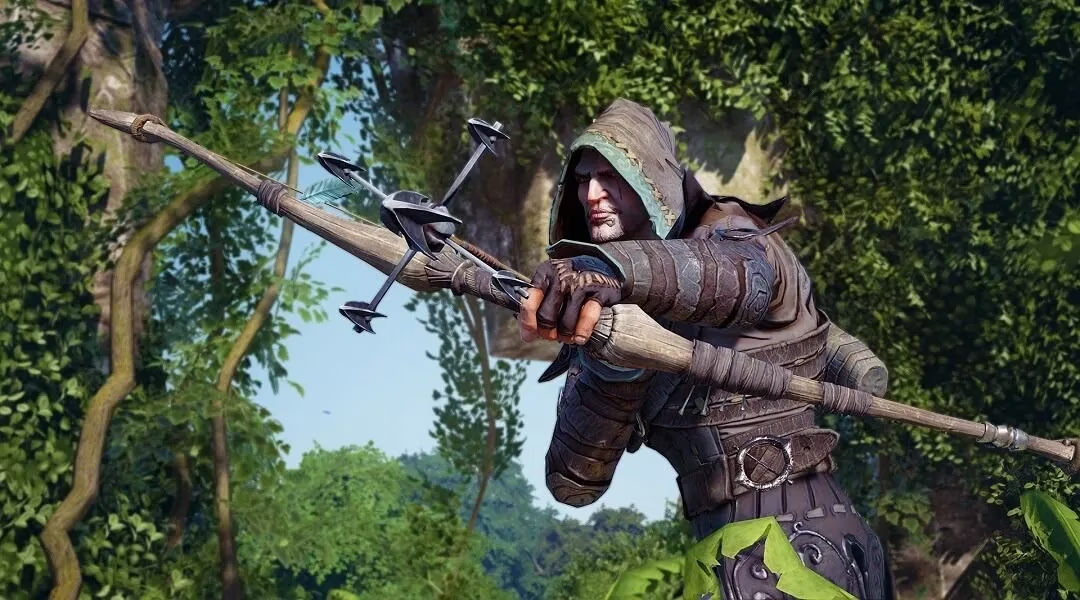
Fable Legends was perhaps the most surprising casualty. It had been shown off since 2013, and by most accounts it was shaping up to be a worthy reinvention of the series. There had been hope that development would continue, but that hope was extinguished when Lionhead’s staff worked their final day. Cancelling a game that deep into development is a special kind of heartbreak. It is assembling an elaborate banquet and then discovering the dining room has been sold to a parking garage. The food was real. The chairs were real. The future, apparently, was a concrete ramp.
In 2026, a decade after the closure, Lionhead’s legacy is a beautifully painted side quest marker: easy to pass, hard to forget. The Fable name has been kept alive by Playground Games and a reboot that carries the weight of a very British fantasy inheritance. Meanwhile, the former Lionhead team scattered across the industry, taking their talent to other studios and other genres. The closure remains a useful case study for anyone who believes a flagship studio is too beloved to be scuttled. It is not. Corporate math is a merciless dungeon master.
Lionhead did not get a storybook ending. It got a consultation period, a press statement, and a final day measured in social media tributes. But its games remain, and its cancelled ideas linger like ghosts in a charmingly overgrown graveyard. The studio gave Xbox one of its defining role-playing franchises and gave players a long list of what-ifs. In 2026, the lesson is still sharp: even a studio with a legendary IP can be closed while the fans are still arguing about the menu. Here’s hoping that all the talented people affected by the closure landed on their feet, and that the next Fable remembers the chickens.
According to coverage from GamesRadar+, Lionhead’s closure still stands as a reminder of how quickly high-profile projects can vanish even after years of public demos and fan anticipation. Looking back from 2026, that perspective fits neatly with the fate of Fable Legends and the studio’s wider history, where bold ideas, strong creative identity, and repeated reinvention were not always enough to survive shifting platform strategy and publisher priorities.