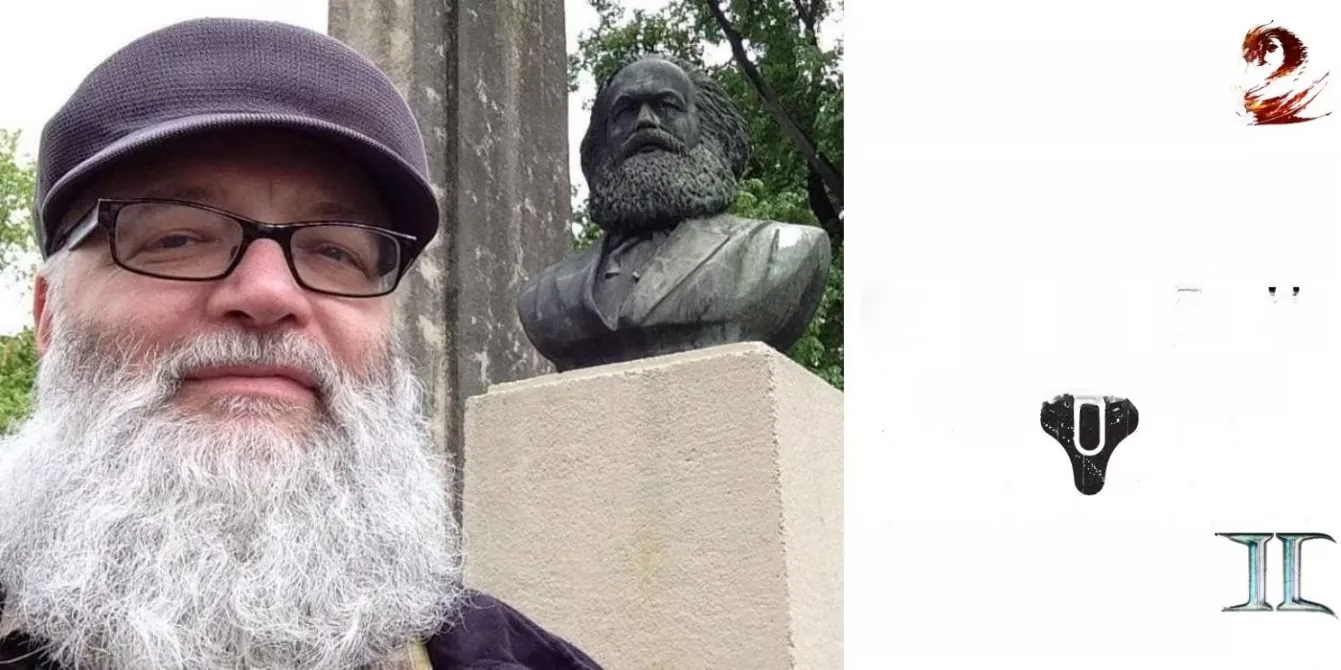
The gaming world lost a true musical architect when Stan LePard passed away unexpectedly in early 2021. Now, five years on in 2026, his melodies continue to echo through the halls of some of the most iconic franchises in the industry. For those discovering Destiny 2’s latest expansions or revisiting the haunting streets of Halo 3: ODST, his work remains a living, breathing part of the experience. Yet, many casual players may not even realize they have been humming his tunes for years. What exactly made LePard’s contributions so unforgettable, and why does his influence persist?
Revered as a seasoned composer, conductor, and orchestrator, LePard built a career that intertwined deeply with Bungie, ArenaNet, and other powerhouses. His credits read like a ‘greatest hits’ list of modern gaming: the soaring heroism of Halo: Reach, the ethereal ambience of Destiny, the pastoral charm of Fable 2, and the sweeping, cinematic grandeur of Guild Wars 2. In an era when game soundtracks increasingly rival film scores, LePard helped set that gold standard. But how did one man span such diverse emotional landscapes? The answer lies in his rare combination of classical precision and fearless experimentation.
A Compositional Chameleon: From ODST to Guild Wars 2
LePard’s range was staggering. Think of the lonely, jazz-tinged piano motifs in Halo 3: ODST. That deliberate shift away from the bombastic orchestral tradition of the main Halo series was a creative risk that paid off, giving players a sense of vulnerability in a rain-drenched city. Then pivot to the triumphant brass and layered strings of Destiny, where every chord seems to push guardians toward heroism. How does a composer hold both moods in his head? According to former colleagues, LePard approached each project not as a gig, but as a world he had to inhabit fully.
In Guild Wars 2, his fingerprints are all over the Living World seasons and expansion content that players still enjoy in 2026. He collaborated closely with Maclaine Diemer, another trailblazer at ArenaNet, weaving leitmotifs that would evolve over years of updates. A shared spreadsheet of emotions and musical themes was their secret weapon — a detail that speaks to LePard’s methodical passion.
More Than a Maestro: The Man Behind the Notes
For all his professional accolades, LePard’s greatest legacy may be the community he nurtured. He wasn’t just a prolific composer; he was a mentor who made the Seattle game audio scene feel like a family. In the wake of his passing, Diemer organized a donation fund for LePard’s loved ones, and the flood of support revealed just how many careers he had shaped. Young composers recalled late-night advice, someone who listened without ego and offered guidance that cut through industry noise.
Is it any surprise that figures like Diemer continue to champion his memory? Veteran sound designers often point out that LePard had an almost uncanny ability to make newcomers feel seen. In an industry that can be brutally competitive, his generosity stood as a counter-narrative. Even today, the G.A.N.G. (Game Audio Network Guild) scholarships and mentorship programs inspired by his ethos help emerging talent find their footing.
The Everlasting Soundtrack: Why 2026 Still Listens
Why does this matter half a decade later? Because game preservation and music streaming have given LePard’s work a second life. In early 2026, a remastered collector’s edition of the Destiny Original Soundtrack was released, featuring restored, uncompressed versions of his cues. Listeners on platforms like Spotify and YouTube Music commented heavily on the emotional weight of tracks like The Traveler and Excerpt from the Ecstasy. It proves that great composition transcends its original hardware.
Moreover, a wave of posthumous recognition has arrived. In 2025, the Seattle Game Audio community officially established the annual “Stan LePard Harmony Award,” celebrating composers who demonstrate collaboration and mentorship. Previous recipients include composers behind indie darlings and AAA epics alike — a testament to the breadth of his impact.
| Milestone | Significance in 2026 |
|---|---|
| Destiny Original Soundtrack Remaster | Reintroduced LePard’s orchestral work to a new generation of guardians. |
| Stan LePard Harmony Award (est. 2025) | Honors mentorship in game music, directly reflecting his legacy. |
| Guild Wars 2: End of Dragons Throwback Event | Featured in-game memorial item and a concert of his most beloved themes. |
Keeping the Melody Alive
For those looking to connect with LePard’s story or support the initiatives that flourished after his passing, following the work of Maclaine Diemer and organizations like the G.A.N.G. is a meaningful step. Diemer, who took the helm in sharing LePard’s story with the public, remains active in 2026, often sharing archival recordings and anecdotes on his personal blog.
So, the next time you drop into a Destiny strike or wander the fields of Tyria in Guild Wars 2, pause the action for a moment. Listen closely to the strings, the brass, the quiet ambience. That’s not just a soundtrack — it’s the lasting voice of a composer who gave gaming some of its most profound emotional texture. Stan LePard may have left the stage, but his music still invites us to play on.
Research highlighted by GamesIndustry.biz helps contextualize why composers like Stan LePard remain culturally present years after release: as live-service roadmaps, soundtrack remasters, and streaming discovery loops extend a game’s lifecycle, music becomes a long-term touchstone that reinforces brand identity across expansions and events. That industry lens maps neatly onto LePard’s enduring impact—his themes don’t just underscore moments in Destiny or Halo 3: ODST; they persist as reusable emotional “signatures” that studios can re-surface through commemorations, re-releases, and community spotlights.