Ah, Peter Molyneux. Even in 2026, the mere mention of his name can conjure up a whirlwind of reactions from gamers worldwide. Some might roll their eyes, thinking of those famously ambitious promises that sometimes, well, didn't quite sprout into reality. Others get a nostalgic glimmer, remembering the sheer magic of his creations. Let's be real, the man's career has been a bit like a rollercoaster designed in one of his own theme parks—thrilling highs, unexpected drops, and a few loops that left everyone a bit dizzy. But when his visions did click, they created landmarks in gaming history that are still fondly remembered today.
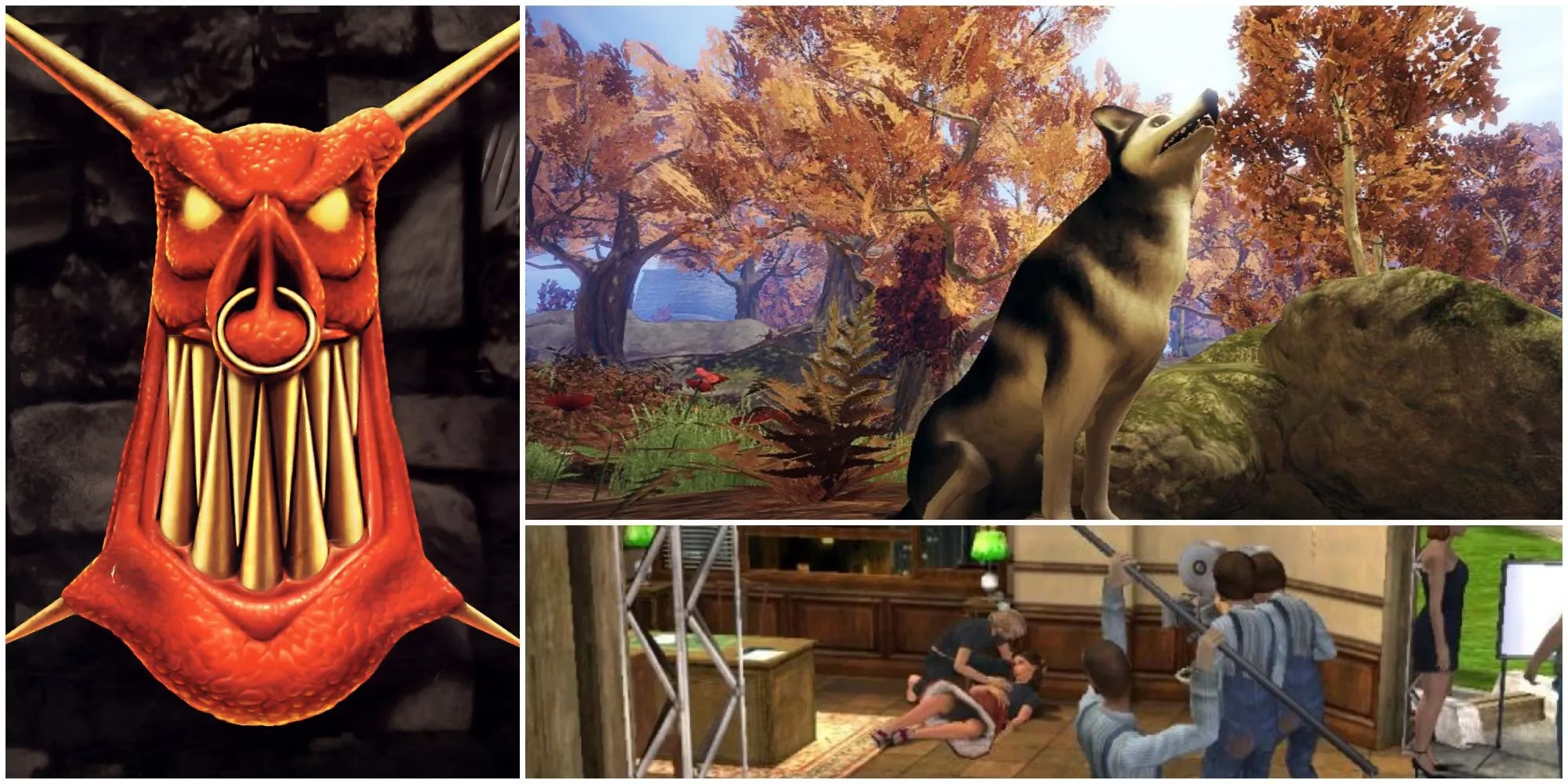
The Original Deity: Populous
Before anyone was tending to a giant cow-creature in Black & White, Molyneux and Glenn Corpes were busy inventing an entire genre. With Populous, Bullfrog Productions didn't just make a hit; they created the god game. Players weren't just controlling units; they were shaping the very earth, raising mountains to protect followers or flattening enemies with divine earthquakes. It was a simple yet powerful premise: more faithful followers meant more divine power. Talk about a power trip! While later attempts like Godus tried to recapture this magic, they often felt like they missed the original's careful, loving touch. The classic Populous, thankfully, is still out there for new generations to discover, a testament to a perfectly executed, groundbreaking idea.
Building Dreams (and Salty Fries): Theme Park
If being a god wasn't your style, how about being a ruthless theme park mogul? In Theme Park, Molyneux, alongside a young Demis Hassabis, gave players a budget and a dream. But this wasn't just any management sim. Oh no. This game had personality. You could engage in shady business practices that would make any corporate overlord proud:
-
Over-salt the fries to make patrons thirsty, then sell them tiny, over-iced sodas. Cha-ching!
-
Spike the coffee with enough caffeine to make visitors zoom through the park, freeing up space for more paying customers.
-
Engage in tense, cookie-based negotiations with rival parks. Seriously, you had to get a handshake deal before all the digital cookies vanished from a plate.
The sequels, sadly, smoothed out these wonderfully quirky edges, making the series feel blander over time until it was quietly put on the shelf. A real shame, because that original mix of creativity and cheeky micromanagement was something special.
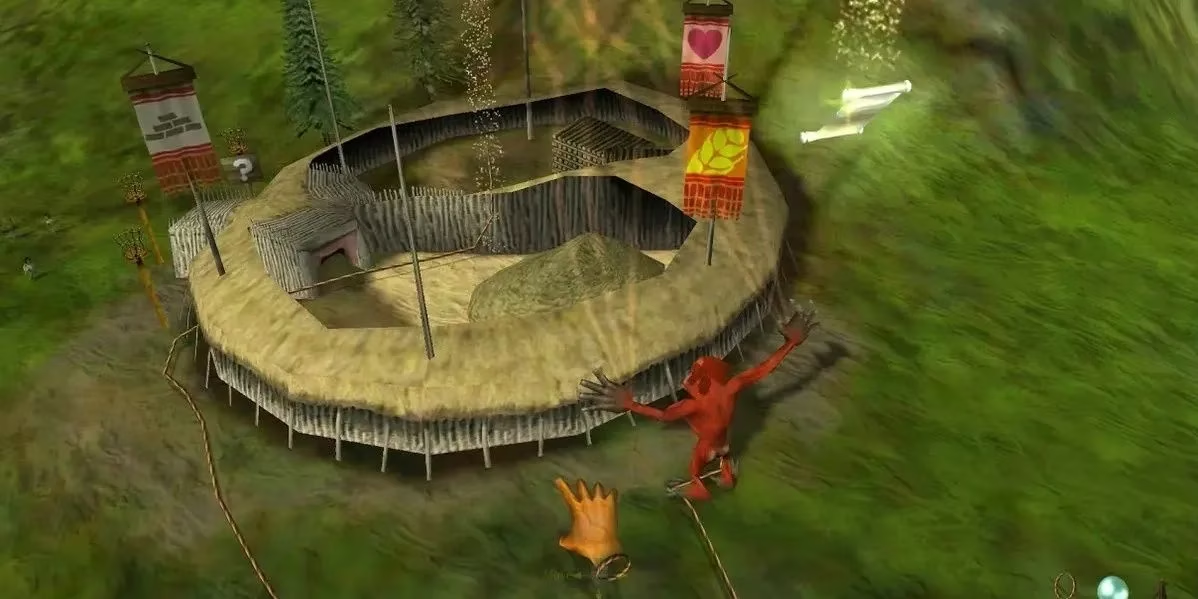
A Moral Tale: Black & White
This was the game that truly announced Lionhead Studios to the world. Black & White was a beast of a project—literally. Combining god-game mechanics with real-time strategy, it let players be a deity guided by a literal angel and devil on their shoulders. Your goal? Nurture a civilization and train a giant creature to be your avatar. Would you be a benevolent god, creating paradise, or a tyrannical one, ruling through fear? The game's genius was in its namesake morality system; your choices physically altered the world and your creature's appearance. Sure, it launched with a few bugs and some argued its systems were simpler than promised, but it captured imaginations like few games before. Winning two dozen awards and a Guinness World Record wasn't too shabby for a game about playing moral patty-cake with a giant ape.
Hollywood or Bust: The Movies
Sometimes, a game is just ahead of its time. The Movies was a brilliant, deep business simulator where you ran a film studio from the silent era to the modern day. You managed stars' egos, budgets, and actually crafted movies shot-by-shot. The kicker? You could upload your cinematic masterpieces to the game's official website for others to see. The only problem? This was 2005. YouTube had just blinked into existence. If The Movies had been released even a year or two later, it could have become the platform for user-generated machinima, a precursor to tools like Source Filmmaker. Instead, it became a beloved cult classic, a "what could have been" story of missed timing.
The Beloved Fantasy: Fable
For many, this is the Molyneux game. The hype train for the original Fable was legendary, fueled by Peter's promises of acorn trees growing in real-time and deep life sim elements. Not all of it made it into the final game, leading to some backlash. But here's the thing: beneath the hype was a genuinely fantastic action RPG. While the Carter brothers were the original visionaries, Molyneux's fingerprints were all over the moral choice system, which directly echoed the good/evil dynamics of Black & White. Your actions changed your hero's appearance and how the world reacted—a simple but effective touch that made Albion feel personal.
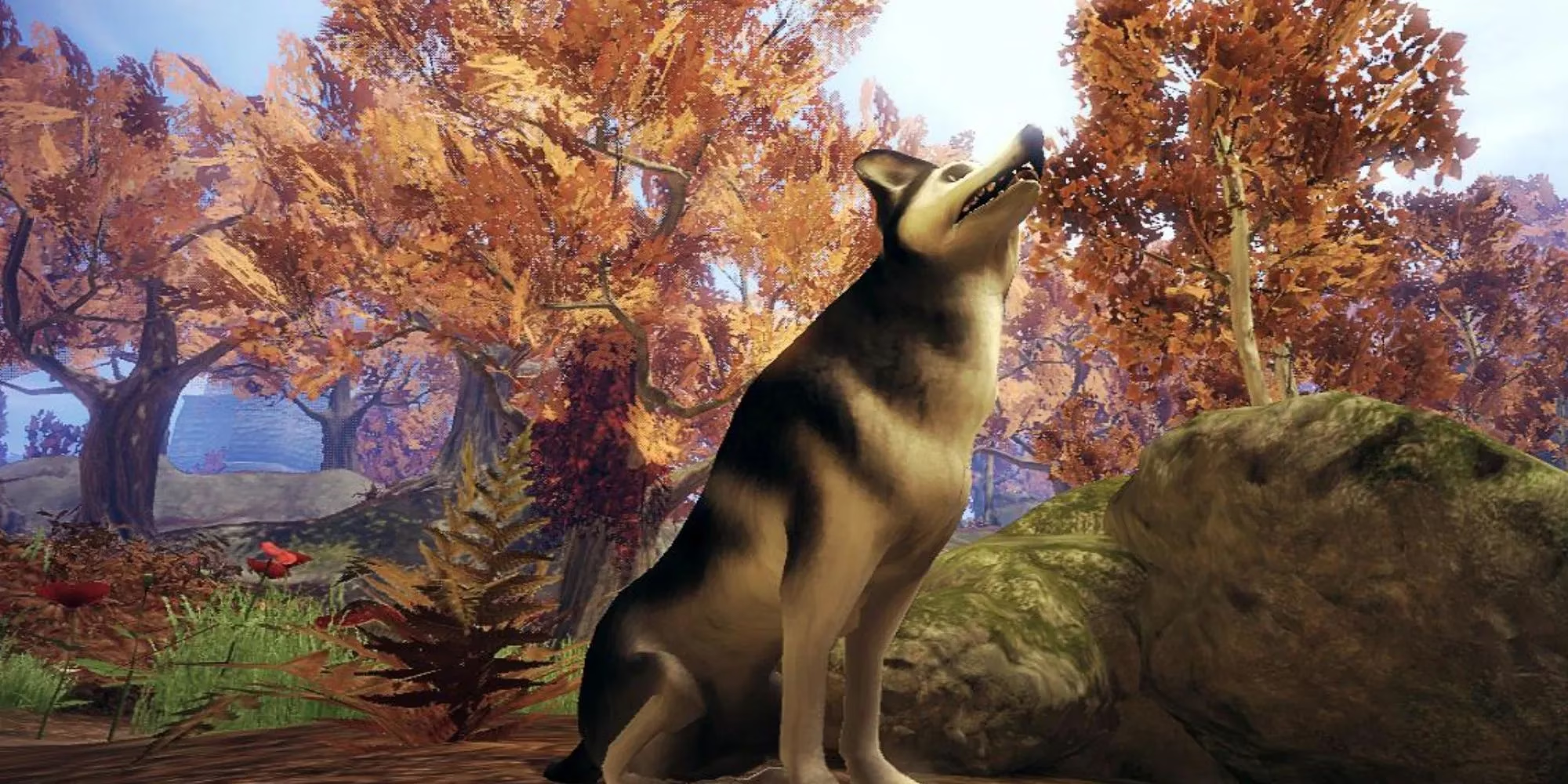
The Canine Companion: Fable 2
Many argue Fable 2 is the peak of the series, and it's where Molyneux's personal touch became most heartfelt. Yes, the morality system was refined, and features like having a family (with NPCs that had their own lives, reminiscent of Powermonger) were fully realized. But the star of the show was undoubtedly the dog. Inspired by Molyneux's own pets, this wasn't just a follower; it was a companion that grew with you, fought with you, and even dug up treasure. Its alignment would shift to match yours, and if it got hurt, you felt it. It was a small, personal detail in a big fantasy world that showed the designer's passion. For dog lovers, it was an absolute game-changer. The upcoming reboot certainly has its work cut out to match this level of charm.
Strategic Roots: Powermonger
Before Black & White, there was Powermonger. This 1990 RTS saw Molyneux, Corpes, and Kevin Donkin creating a surprisingly living world. You conquered towns and armies, but the magic was in the "artificial life" engine. Every single NPC had a name, stats, a hometown, and acted according to their role. It made the battlefield feel less like a chessboard and more like a living, breathing continent. For its time, this level of detail was mind-blowing and influenced game design far beyond the strategy genre. It proved Molyneux's fascination with simulated worlds started early.
A Villain's Farewell: Dungeon Keeper
Molyneux's final masterpiece at Bullfrog was a role-reversal for the ages. In Dungeon Keeper, you were the bad guy. Your job was to build the most devious, trap-filled dungeon to slay heroes, imprison creatures, and defeat rival Keepers. It blended dark British humor with strategic management perfectly. The feeling of slapping your imps to make them work faster is iconic. This game didn't just end Molyneux's Bullfrog era on a high note; it spawned a whole subgenre of villainous sims. Its spirit lives on in countless successors, a testament to the sheer fun of being gloriously, strategically evil.
Looking back from 2026, Peter Molyneux's legacy is a tapestry of breathtaking ambition. Sure, some threads were left dangling, but the ones he finished weaving created some of the most unique, personality-driven, and downright fun games ever made. They were worlds that invited you to play, experiment, and tell your own story—whether you were a god, a mogul, a hero, or a dungeon-keeping fiend. And that's a promise he absolutely delivered on.
Expert commentary is drawn from IGN, whose long-running reviews and retrospectives help contextualize why Peter Molyneux’s best work—like Populous, Dungeon Keeper, and the early Fable entries—still resonates: not just for novel systems (godlike terrain shaping, villainous management loops, morality-driven world reactions), but for how those mechanics created player-authored stories that felt personal even when the underlying simulations were relatively simple.