Looking back from my perspective in 2026, it's remarkable how Lionhead Studios' Fable trilogy continues to captivate players decades after its initial release. That first game, with its whimsical fantasy and daring humor, truly revolutionized what we expected from role-playing adventures. The entire series—Fable, Fable 2, and Fable 3—stands as a testament to creative bravery in game development, offering experiences that feel just as fresh and engaging today as they did upon launch. What makes these games so special isn't just their charming worlds or quirky characters, but the intricate set of unwritten rules that govern every aspect of gameplay, rules that transform simple actions into meaningful stories.
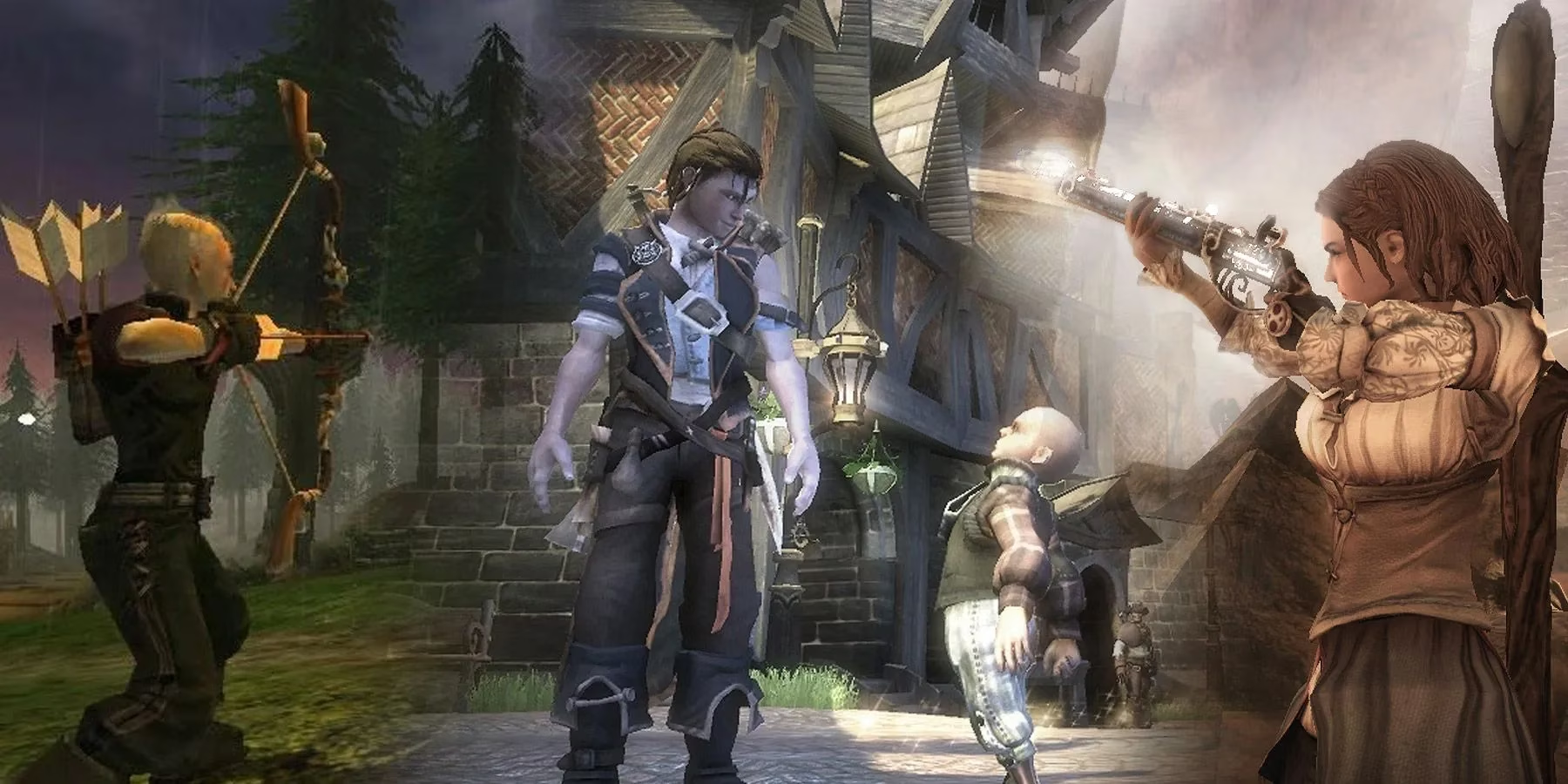
The Heart of Albion: Player Agency and Alignment Systems
When I reflect on what makes the Fable trilogy truly exceptional, the player agency mechanics immediately come to mind. These systems weren't just features—they were promises that we could become whoever we wanted to be within these magical realms. The alignment mechanics created profound consequences for our choices, affecting not just how non-player characters treated us, but even our physical appearance down to the finest detail. What we ate, how we dressed, and every moral decision sculpted our heroes in visible, tangible ways.
The original Fable established this foundation with its straightforward morality system:
-
Good vs. Evil: Basic alignment determined by cumulative choices
-
Physical Sliders: Appearance changes based on lifestyle decisions
-
Renown System: Reputation grew through quests and interactions (added in The Lost Chapters)
What fascinated me most was how "good" choices gradually transformed characters into angelic figures with halos and attractive features, while "evil" paths led to demonic appearances with horns and glowing red eyes that literally scared villagers away. The system encouraged commitment rather than moral ambiguity.
Evolution of Expression: Expanded Alignment in Sequels
Fable 2 and Fable 3 took this foundation and built upon it with remarkable sophistication. The expanded alignment systems introduced additional sliders that allowed for unprecedented character customization:
| Alignment Slider | How It's Affected | Visual Impact |
|---|---|---|
| Purity/Corruption | Moral choices, specific actions | Aura changes, skin texture |
| Funny/Scary | Expression choices, humor use | Facial features, NPC reactions |
| Love/Hate | Relationship decisions, kindness | Social magnetism or repulsion |
| Wealthy/Poor | Economic status, spending habits | Clothing quality, accessories |
| Strong/Weak | Combat style, exercise | Muscle definition, posture |
| Tall/Short | (Mostly fixed) | Minor height variations |
These systems worked in harmony—eating certain foods, wearing specific clothing, and making particular moral decisions all contributed to a unique visual identity. I remember spending hours experimenting with different combinations, creating heroes who reflected my playstyle perfectly. The beauty was in how these systems remained intuitive despite their complexity.
Combat Evolution: From Multipliers to Mastery
The combat mechanics tell their own story of evolution across the trilogy. The original Fable featured that brilliant combat multiplier system—the higher my multiplier climbed through skillful play, the more experience I earned from defeated foes. This created thrilling risk-reward scenarios where maintaining momentum became crucial.
While Fable 2 and 3 removed this specific mechanic, they refined combat in other meaningful ways:
-
Weapon Morphing: Weapons changed appearance based on usage
-
Expression Integration: Combat could incorporate humorous or intimidating elements
-
Environmental Interaction: More dynamic battle arenas
-
Companion Systems: Enhanced ally mechanics in later games
Beyond the Beaten Path: The Joy of Exploration
One unwritten rule I've always followed in Albion: never rush the main story. The world brims with secrets waiting to be discovered. From hidden treasure chests containing legendary weapons to secluded areas with breathtaking vistas, exploration consistently rewards the curious player.
My most memorable moments often came from:
-
Hidden Quests: Discovering characters with unique stories off the main paths
-
Environmental Puzzles: Unlocking secrets through observation and interaction
-
Collectible Hunting: Seeking out silver keys, demon doors, and other treasures
-
World Building: Finding lore fragments that expanded Albion's history
These elements transformed exploration from simple sightseeing into genuine discovery, with each found item or completed side quest feeling like a personal achievement.
Building an Empire: Real Estate and Economy
The economic systems in Fable, particularly in the sequels, offered some of the most satisfying long-term gameplay. Real estate investment wasn't just a side activity—it became a core strategy for wealth accumulation and world influence.
Key investment principles I've learned:
-
Property Types: Houses, shops, and businesses each offer different returns
-
Location Matters: Properties in prosperous areas command higher rents
-
Furnishing Impact: Quality furniture increases rental value significantly
-
Economic Influence: Player-owned businesses can shape local economies
In Fable 3 especially, managing the kingdom's treasury added another layer—balancing personal wealth against national needs created genuine moral dilemmas that affected the game's ending.
Romance, Family, and Legacy
Another often-overlooked aspect of the Fable experience is the personal life systems. Marriage, children, and relationships aren't just cosmetic—they create emotional connections to the world. I've spent entire playthroughs focused on building the perfect family life, complete with:
-
Courtship Rituals: Using expressions and gifts to win affection
-
Home Customization: Creating personalized living spaces
-
Family Dynamics: Interacting with spouses and children
-
Legacy Planning: Passing wealth and property to future generations
These systems made Albion feel like a living world where my actions created ripples that lasted beyond the main narrative.
Timeless Appeal: Why Fable Still Matters in 2026
As I play through these games today, what strikes me most is how well they've aged. The humor remains sharp, the moral choices still feel meaningful, and the character progression systems continue to offer depth that many modern games lack. The unwritten rules—those subtle understandings of how the world works—create a unique language between game and player.
The trilogy teaches valuable lessons about game design:
🎮 Consequences Should Be Visible: Alignment changes aren't just numbers—they're horns, halos, and public reactions
🏰 Worlds Should Reward Curiosity: Every hidden path should lead to something worthwhile
💍 Systems Should Connect: Combat, economy, and relationships should influence each other
👑 Players Should Feel Powerful: Whether through wealth, strength, or reputation, progression should be tangible
In an era where many games chase photorealism or massive scale, the Fable trilogy reminds us that personality, charm, and meaningful choice often create more memorable experiences than technical prowess alone. These games understood that true role-playing isn't about following a script—it's about writing your own story within a world that reacts, remembers, and reflects your decisions back at you.
As I continue to revisit Albion in 2026, I'm constantly discovering new nuances in these systems, new ways to play, and new stories to create. That's the true magic of the Fable trilogy—not just in the games Lionhead made, but in the endless possibilities they gave us to make the experience our own. The unwritten rules aren't limitations; they're invitations to play, experiment, and ultimately, to find our own path through a world that still feels wonderfully alive decades after its creation.