In the mid-2000s, as the gaming world was on the cusp of a new generation of consoles, a quiet but significant battle was being waged behind the scenes at Lionhead Studios. The development of Fable 2, a highly anticipated sequel, wasn't just about refining gameplay or expanding the world of Albion. It became a focal point for a conversation about player choice, representation, and the boundaries of mainstream game design. At the heart of this debate was a seemingly simple feature: the ability for players to marry any character they wished, regardless of gender.
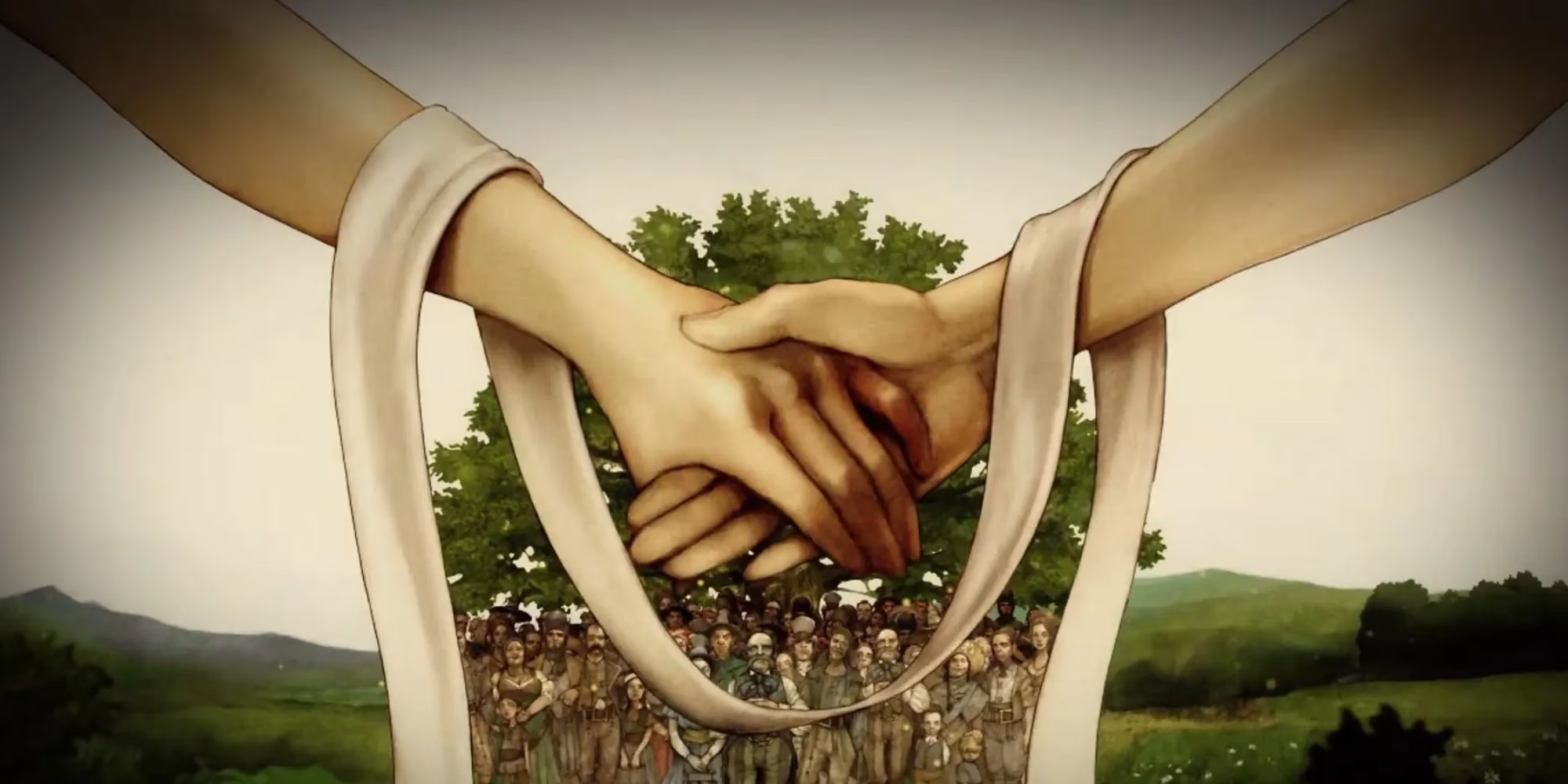
The Flight to Redmond: Justifying Choice
Peter Molyneux, the charismatic and often ambitious co-founder of Lionhead, recalls having to personally "fight" for this inclusion. The studio's publisher, Microsoft, expressed wariness. "I had to fly over to Microsoft and talk to the senior management to justify gay marriage," Molyneux revealed. This wasn't a case of outright corporate homophobia, but rather a cautious, top-down concern about the necessity and potential backlash of such a feature in a major Xbox exclusive. Molyneux emphasizes that Microsoft wasn't personally "against it," but the leadership needed convincing that this level of social simulation was integral to the game's vision.
Lionhead's philosophy was clear and unwavering: absolute player choice. The team insisted that if the game was going to include marriage and relationships, restricting them based on gender was antithetical to the core promise of a living, breathing world where players wrote their own stories. This conviction turned a design decision into a principled stand.
Evolving from Fable 1: A More Complex World
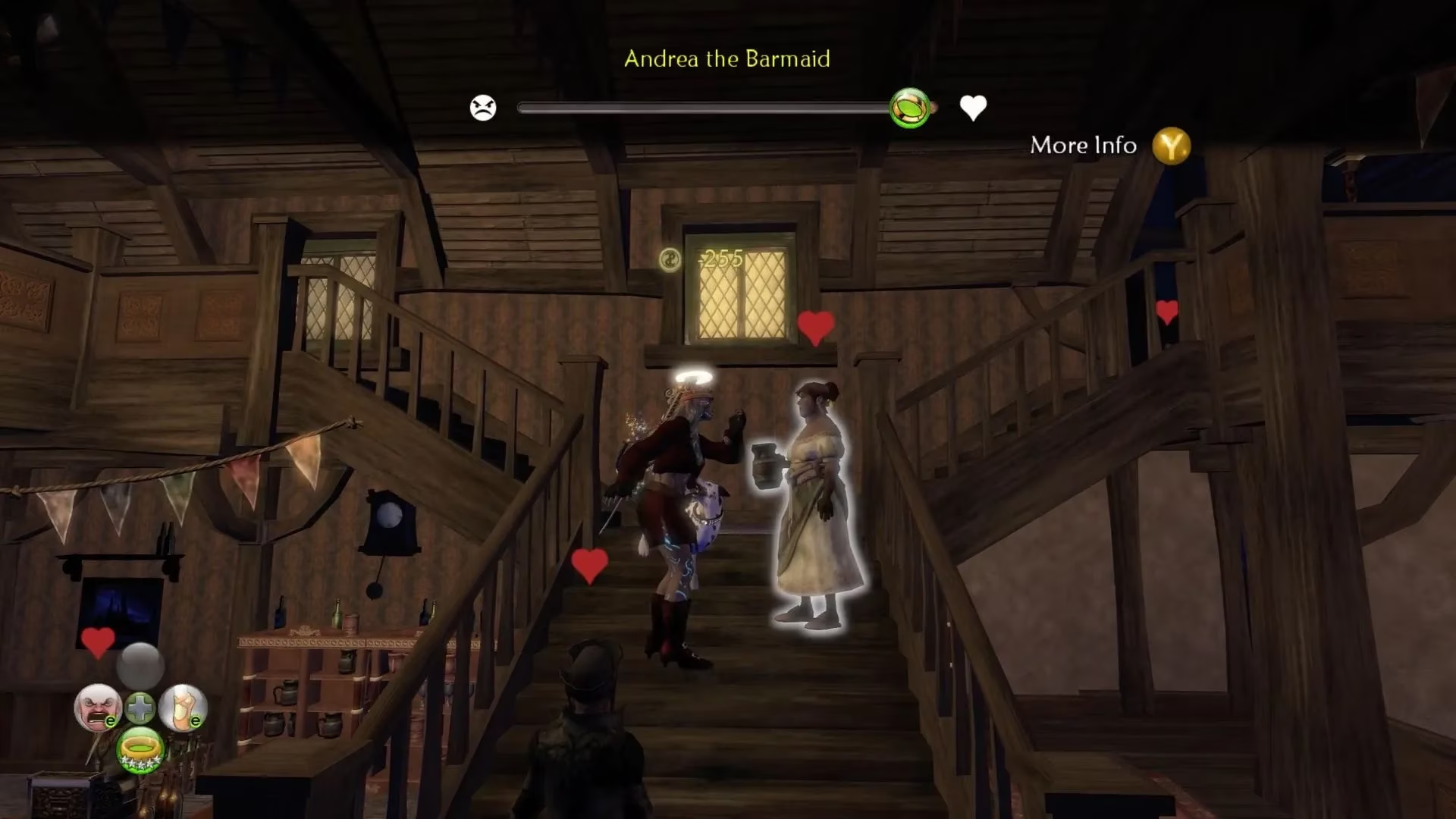
This fight was particularly poignant because Fable 2 was aiming for a more sophisticated social system than its predecessor. While the original Fable allowed same-sex marriages, it was a mechanical, player-centric option. Fable 2 introduced a groundbreaking (for its time) layer: Non-Player Characters (NPCs) with their own sexual orientations. The world of Albion was no longer a pool of universally available partners. Players could be rejected based on their character's gender, making relationships feel more authentic and less like a simple menu selection.
The game even wove this into its quest design. One notable side quest involved helping a young man confess to his father that he was gay, as the father persistently tried to set him up with a woman. This narrative attempt to tackle real-world themes of acceptance and identity was bold for a major studio game in 2008.
A Flawed Gem: Retrospective Reflections
Looking back from 2026, the original developers are the first to admit that their execution was far from perfect. The push for progressive features was sometimes clumsy. Molyneux himself has stated there was "a lot of dodgy woke stuff in Fable 2," acknowledging that the team, in their zeal to differentiate the sequel, sometimes forced themes without the requisite nuance.
Dene Carter, the creative director for the series, offers a balanced critique: "Fable is a flawed, silly gem, with a lot of heart and almost literal blood, sweat, and tears poured into it. It's also a product of its time, and is lacking in delicacy in its handling of certain themes." This lack of delicacy is evident in other areas. For instance, cross-dressing characters in the game are often portrayed as cartoonish figures of fun or as signs of mental instability, a regressive trope that hasn't aged well.
The Legacy and the Future
Despite its missteps, the battle for same-sex marriage in Fable 2 was a landmark moment. It set a precedent for player-driven narratives and challenged corporate gatekeepers on the scope of inclusivity in blockbuster games. The feature's inclusion, fought for by developers, signaled to players that their identities and choices were valid within fantasy worlds.
Now, nearly two decades later, the Fable franchise is being rebooted by a new studio. The original developers have expressed excitement at seeing a fresh take on Albion, curious to experience it purely as players. The gaming landscape has transformed dramatically since 2008; themes of LGBTQ+ inclusion are now more commonly and thoughtfully explored. The new team inherits a legacy of both bold inclusion and cautionary tales about execution—a foundation upon which to build a more nuanced, respectful, and truly choice-driven Albion for a modern audience. The fight that Peter Molyneux took to Microsoft headquarters wasn't just about a game mechanic; it was about claiming space in a popular medium for a broader spectrum of human stories.