As of 2026, the much-anticipated reboot of the beloved Fable franchise remains shrouded in mystery, its development journey a tale of prolonged silence and swirling industry whispers. Announced with fanfare back in July 2020, the project from Microsoft and Playground Games has since retreated into the shadows, leaving fans with little more than a teaser trailer and a growing list of questions. The conspicuous absence of any substantial update at major industry events like the Game Awards has only deepened the sense of anticipation mixed with unease. What exactly is happening behind the closed doors at Playground Games? Well, let's just say the rumor mill has been working overtime, and the picture it paints is... complicated.
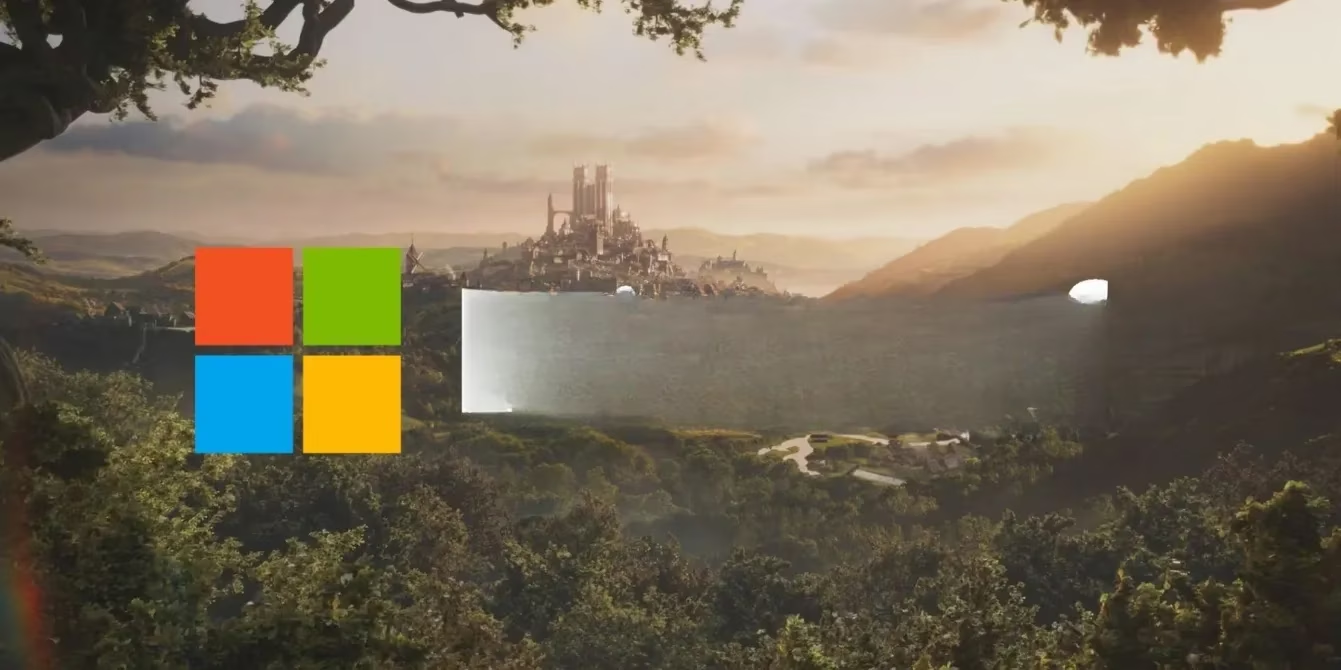
The Engine Conundrum: A Square Peg in a Round Hole?
At the heart of the speculative chatter is Microsoft's reported internal policy regarding game engines. The tech giant, it seems, has a preference for its subsidiary studios to utilize bespoke, in-house engines rather than industry-standard third-party tools like Unreal Engine. For Playground Games, famed for the visually spectacular Forza Horizon series, this meant adapting their own ForzaTech engine—a powerhouse for rendering vast, beautiful open worlds—for the needs of a third-person action RPG. Talk about a gear shift!
This decision, while understandable from a proprietary technology standpoint, may have thrown a wrench in the works. Industry insiders point to the potential mismatch: an engine built for racing may lack the foundational systems needed for Fable's signature melee combat, spellcasting, and NPC interaction. It's a bit like trying to build a cozy cottage with tools designed for a racetrack—possible, but you're gonna spend a lot of time forging new tools first. The precedent isn't encouraging; BioWare famously struggled for years adapting DICE's Frostbite engine for Dragon Age: Inquisition, burning precious development time on creating basic RPG features from scratch. Could Playground be facing a similar, monumental task? The silence is, frankly, a little deafening.
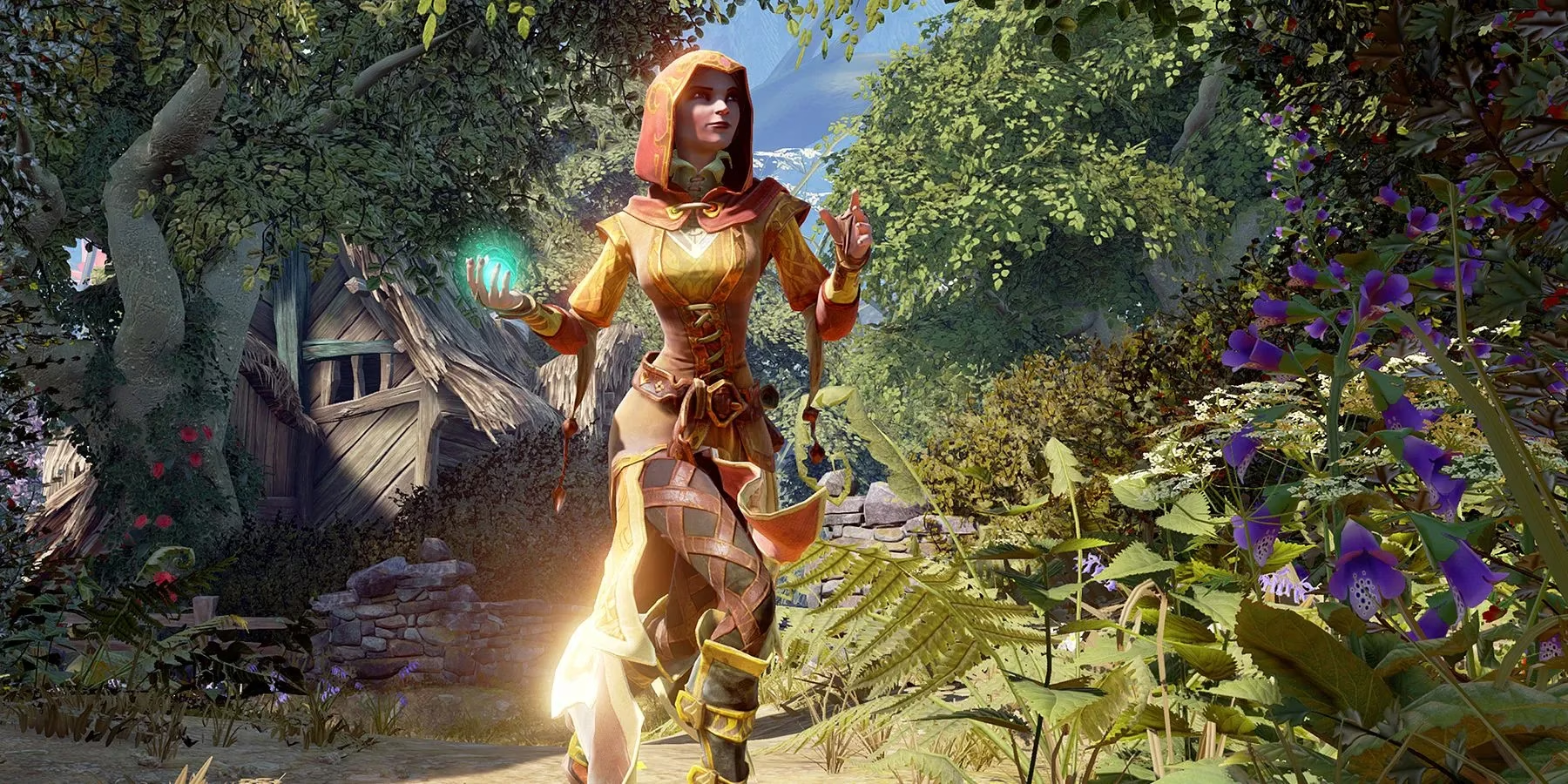
The Contractor Carousel: A Revolving Door of Talent
Compounding the potential technical hurdles is another persistent rumor about Microsoft's operational model: a heavy reliance on contract workers. Reports suggest this leads to higher-than-average staff turnover. Now, imagine onboarding new team members onto a highly specialized, modified version of an already-niche engine. Each new contractor needs time to get up to speed, slowing progress to a crawl as knowledge constantly walks out the door. It creates a cycle where development momentum is hard to sustain.
-
The Knowledge Drain: Key developers with deep engine understanding may leave when their contracts end.
-
The Training Tax: Significant resources are diverted to train incoming staff on proprietary tech.
-
The Vision Vacuum: Maintaining a consistent creative vision becomes challenging with a fluid team.
Even if the studio were using a common engine, contractor churn would be disruptive. But coupling it with a unique, in-house toolset? That's a recipe for some serious development headaches. It's the kind of behind-the-scenes drama that can make or break a game long before it ever sees a release date.
Separating Rumor from Reality
It's crucial to hit the pause button here and state clearly: these are unconfirmed reports. Microsoft and Playground Games have remained tight-lipped, offering only vague assurances that development hasn't been completely restarted. The narrative, largely pieced together from industry commentary by figures like Jez Corden, remains in the realm of informed speculation. No one outside the inner sanctum of Playground and co-developer Eidos-Montreal truly knows the full story.
Yet, the explanation holds a ring of truth because it logically connects the dots of the little public information available. It provides a plausible framework for understanding why, six years after its announcement, the new Fable feels more like a myth than a forthcoming game. The combination of ambitious engine retooling and organizational challenges is a classic development quagmire.
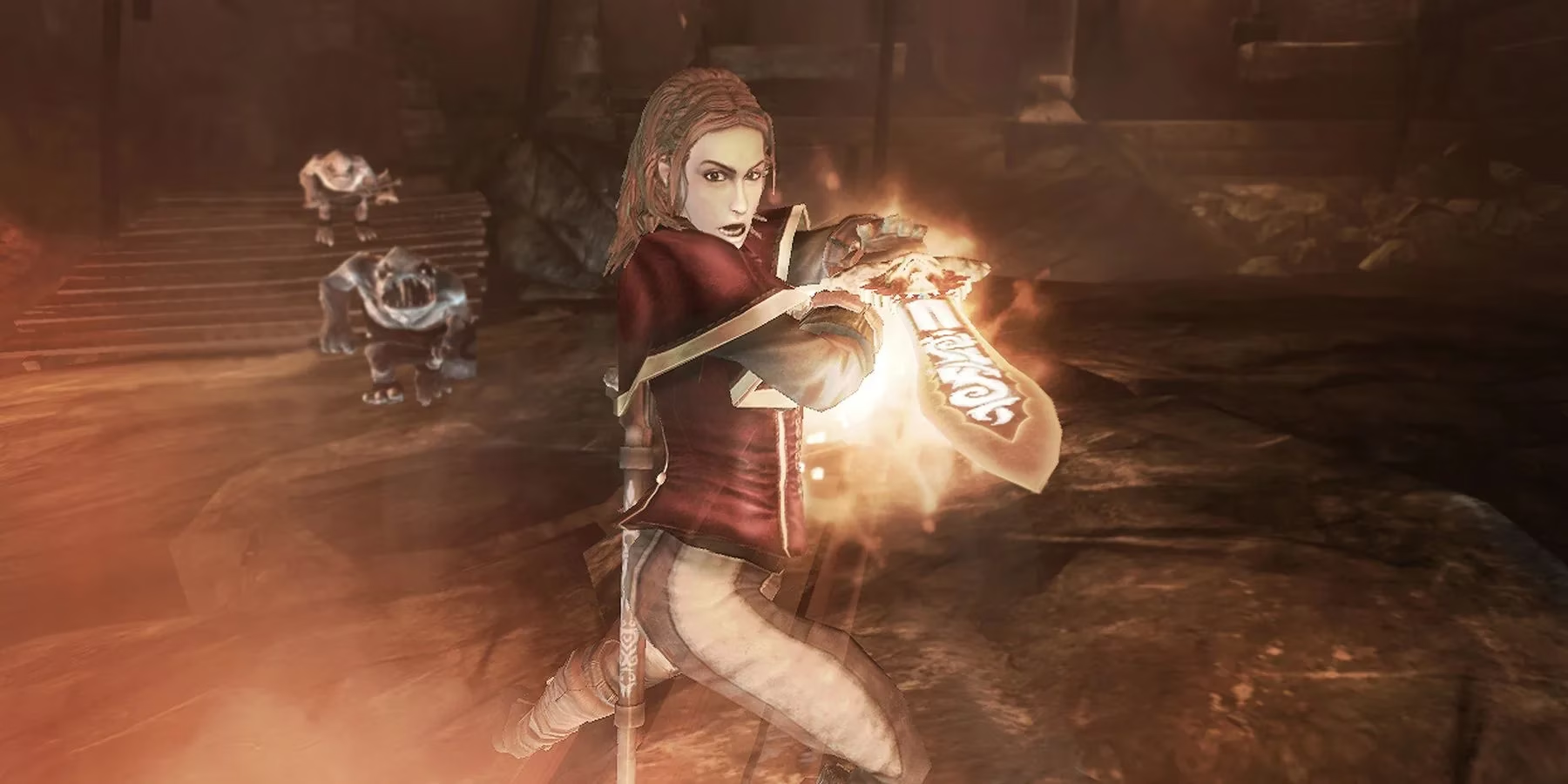
The Waiting Game: What's Next for Albion?
So, where does this leave fans and the future of Albion? In a holding pattern. The lack of concrete news is frustrating, but the rumors suggest the team is grappling with deep, systemic challenges rather than simple creative indecision. If the speculation is accurate, the path forward involves:
-
Taming the Tech: Successfully molding ForzaTech into a robust RPG engine.
-
Stabilizing the Ship: Finding ways to retain talent and institutional knowledge.
-
Managing Expectations: Eventually communicating a realistic, new timeline to the public.
The legacy of Fable is one of charm, choice, and whimsical British humor. The hope is that Playground Games is given the time and support it needs to get this reboot right, to build a world that lives up to that legacy rather than being rushed out to meet a calendar date. The road has clearly been longer and rockier than anyone anticipated. For now, all we can do is wait, wonder, and hope that the next time we hear from Playground, it's with a showcase worthy of a hero's tale, not another whisper in the tavern.
Fable is still officially in development for PC and Xbox Series X/S. Whenever it arrives, the journey to its release will have been a saga all its own.