The cancellation of Fable Legends and the proposed closure of Lionhead Studios stand as one of the most striking turning points in Xbox’s modern history. In an update shared through Xbox Wire, Microsoft Studios Europe GM Hanno Lemke explained that after much consideration the company had stopped development on Fable Legends and was in discussions with employees about the proposed closure of Lionhead Studios. The same announcement confirmed the closure of Denmark-based Press Play Studios and the end of its current project, Project Knoxville. For players who had followed Lionhead’s action RPG series for more than a decade, the news felt less like a single cancelled game and more like the end of a chapter.
A studio built on ambition
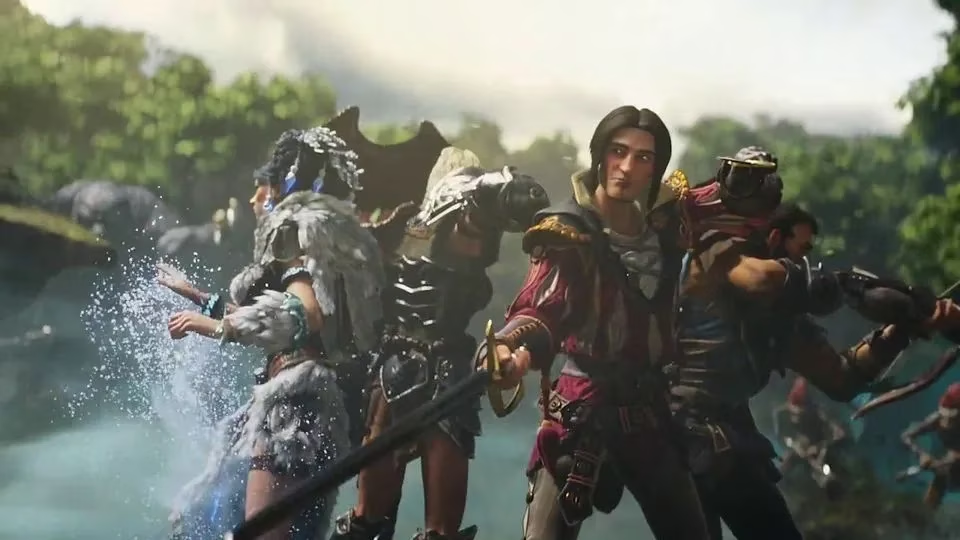
Lionhead Studios had long been associated with bold ideas and distinctive British game development. The Fable series delighted millions of fans with its mix of questing, moral choices, humor, and fairy-tale atmosphere. Over the course of a decade, the franchise became one of Xbox’s most recognizable role-playing properties. Fable Legends was meant to push that legacy in a different direction: a free-to-play, multiplayer-focused action RPG that would keep players engaged through ongoing content and shared adventures. It was an ambitious experiment, and its cancellation represented more than a delay or a change in schedule. It marked the end of a long-running development path and raised difficult questions about how large publishers balance risk, live-service ambitions, and beloved single-player franchises.
The decision and its wording
The announcement was notable for its careful tone. Lemke described the decisions as tough and said they had not been made lightly. He also stressed that they were not a reflection on the development teams, praising the talent, creativity, and commitment of the people at Lionhead and Press Play. The wording acknowledged the human cost behind the corporate strategy: studios are not abstract brand names, but groups of developers, artists, writers, engineers, and support staff whose work shapes the experiences players remember.
Microsoft framed the changes as part of a wider effort to focus investment and development on games and franchises that fans find most exciting and want to play. That rationale has become familiar in the years since, as large platform holders and publishers have repeatedly reassessed projects that sit outside their core priorities. For observers, the cancellation of Fable Legends became an early and vivid example of how a high-profile project could disappear even after years of visibility and promotion.
Press Play and Project Knoxville
The closure of Press Play Studios widened the scope of the story. The Danish studio had built a reputation for creative, smaller-scale projects, including Max: The Curse of Brotherhood and Kalimba. Both games attracted passionate audiences and demonstrated a distinctive creative spirit. The end of Project Knoxville alongside the studio’s closure reinforced the sense that Microsoft was narrowing its portfolio rather than simply cancelling one troubled title. The decision affected multiple teams in different countries, turning a single news update into a broader signal about the company’s development strategy.
A message about the UK and Europe
Despite the difficult news, Lemke stated that Microsoft remained committed to development communities in the UK and Europe. The company pointed to recent and upcoming titles such as Quantum Break, Rare’s new IP Sea of Thieves, and Moon Studios’ successful Ori and the Blind Forest as evidence that new ideas and original games still mattered on Xbox. The message attempted to separate the closure of specific studios from a wider retreat from European talent. Whether that reassurance fully landed with players and developers is another question. For fans, the loss of Lionhead carried emotional weight that a list of upcoming releases could not easily offset.
How the moment looks in 2026
As of 2026, the Fable franchise’s future rests with Playground Games’ long-awaited reboot, a project that has become a symbol of both the series’ enduring appeal and the high stakes of modern AAA development. The revival shows that Xbox has not abandoned the Fable name, but it also highlights how much the industry changed after Lionhead’s proposed closure. The live-service gold rush of the 2010s and early 2020s produced many cautionary tales, and Fable Legends is often remembered as an early warning about the cost of chasing a model that may not fit a beloved franchise’s audience.
For players, the episode remains a reminder that studios are fragile even when their games are famous. Lionhead’s work helped define Xbox’s identity in the role-playing space, and Press Play’s games demonstrated the value of smaller creative risks. The closure announcement also showed how quickly a public narrative can shift from anticipation to preservation: fans moved from discussing beta access and character classes to mourning a studio and wondering what might have been.
| Element | Detail |
|---|---|
| Fable Legends | Cancelled after years in development; a free-to-play, multiplayer-focused action RPG |
| Lionhead Studios | Proposed closure; best known for the Fable series |
| Press Play Studios | Closed; known for Max: The Curse of Brotherhood and Kalimba |
| Project Knoxville | Cancelled alongside Press Play’s closure |
| Microsoft’s stated focus | Investment in games and franchises that fans find most exciting |
Lessons that still matter
-
🎮 A franchise name is not a guaranteed strategy. Fable meant something specific to players, and a free-to-play multiplayer experiment carried expectations that were difficult to satisfy.
-
🏗️ Studio closures have long tails. The loss of Lionhead affected not only one project but also the people, institutional knowledge, and creative culture behind it.
-
📉 Corporate focus can shift quickly. Projects that appear secure can be reassessed when priorities change, even after public promotion.
-
🌍 Regional talent matters. Microsoft’s stated commitment to UK and European development communities was tested by the closures, and the industry continues to watch how platform holders support studios beyond flagship releases.
-
🔁 Revivals carry pressure. The eventual return of Fable under Playground Games demonstrates demand for the series, but it also shows how much scrutiny a reboot inherits when a previous era ended so abruptly.
In 2026, the Lionhead and Press Play announcements read as a compact case study in ambition, risk, and loss. They capture a moment when Xbox was trying to redefine its portfolio, when free-to-play and live-service models were reshaping expectations, and when players were reminded that the games they love are made by teams whose futures are never entirely certain. The Fable series survived as a name, but the story of Fable Legends remains a sobering chapter in its history.
Information is adapted from TrueAchievements, where Xbox-focused reporting and community tracking help contextualize why the loss of Fable Legends resonated so strongly with players invested in Microsoft’s first-party ecosystem. Its long-running coverage of Xbox releases, studio developments, and player engagement patterns makes it a useful reference point for understanding how Lionhead’s closure became not just a business decision, but a defining moment in the platform’s modern identity.