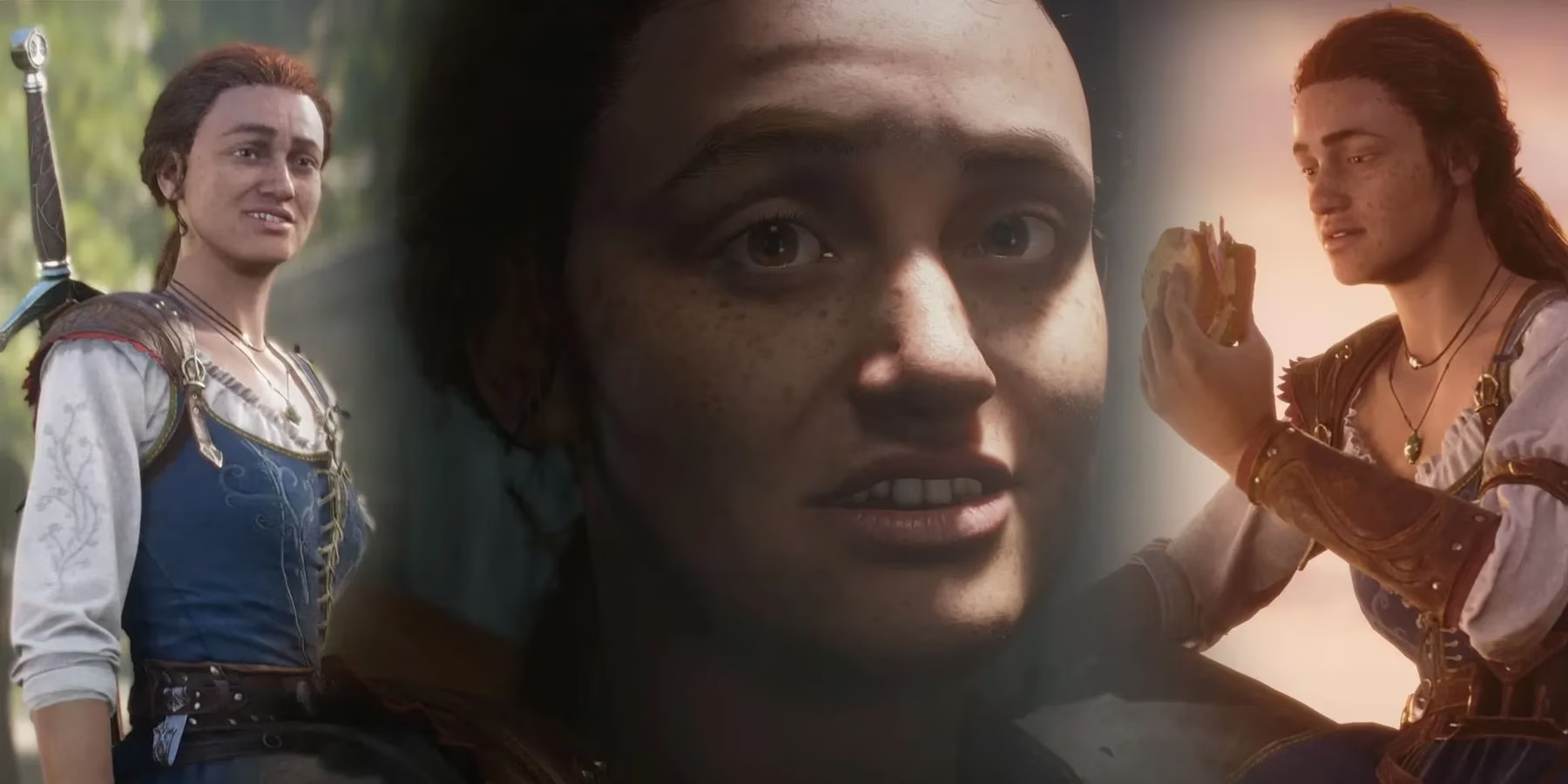
As I sit here, controller in hand, scrolling through the latest gaming news feeds in 2026, one announcement still sends a familiar thrill down my spine: the upcoming Fable reboot. It’s been over a decade since we last walked the cobbled paths of Albion, and the wait has been filled with speculation, hope, and a fair bit of anxiety. I remember the first time I played the original Fable—the sense of wonder, the quirky humor, and that unmistakable feeling of embarking on a grand, personal adventure. That feeling, I realize now, was crafted around one timeless narrative skeleton: the Hero’s Journey. And as we stand on the precipice of a new era for the series, I can't help but feel that this archetype isn't just a nostalgic relic; it's the beating heart of what makes Fable, well, Fable. Playground Games has a monumental task ahead, but if they want to capture the soul of the franchise, they must weave this classic tale into the very fabric of their new vision.
The Unbreakable Bond Between Fable and the Hero's Journey
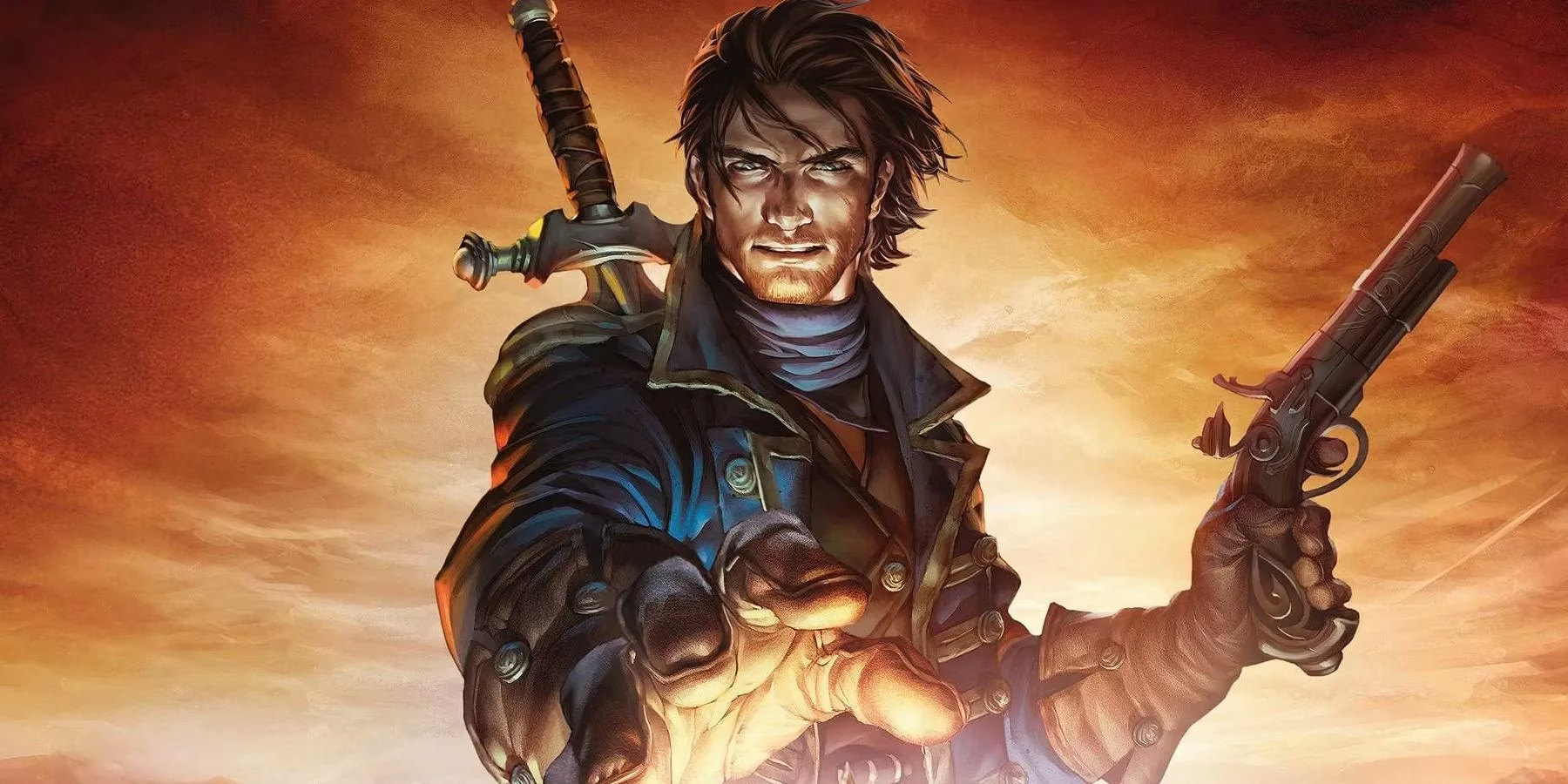
Let's rewind. My journey with Fable began in a dimly lit room, the glow of the screen illuminating my teenage face. The first game was a masterclass in the Hero's Journey, and it wore that badge with pride. 😊 You started as a nobody—a small child in a humble village—and through trials, tribulations, and a destiny revealed, you became the world's savior. It was "Hero's Journey 101," as the old articles say, but it was executed with such charm and personality that it felt fresh. You weren't just following a checklist; you were living the myth. The call to adventure wasn't a generic shout into the void; it was personal, tied to your character's lost sister and a mysterious, looming evil. The magical sword you eventually wielded wasn't just a powerful weapon; it was a symbol of your lineage and your newfound purpose. This structure wasn't a constraint; it was the canvas upon which Fable painted its unique, often hilarious, and deeply engaging world.
How the Legacy Evolved: From Fable 2 to Fable 3
The sequels, Fable 2 and Fable 3, didn't abandon this template; they embroidered upon it. I recall the opening of Fable 2 vividly—facing off against childhood bullies in the muddy streets of Bowerstone. It was a humble, relatable beginning that perfectly set the stage for an epic ascent. The journey wasn't just about gaining power; it was about growing a conscience (or, if you chose, delighting in not having one!). By the end, you weren't just a hero; you were a legend who had literally brought the dead back to life. The scale was grand, but the heart remained the same: an unlikely individual rising to meet an impossible challenge.
Fable 3 took a fascinating detour by placing you on a throne. 🏰 The Hero's Journey here was layered with political intrigue and moral burden. You started as a rebellious royal, faced a cataclysmic threat, and had to make gut-wrenching decisions to save your kingdom. The structure was there—the call, the trials, the return—but it was filtered through the lens of leadership. It proved the archetype could be flexible, adapting to a story about ruling as much as about fighting. Yet, through it all, the core remained: you were the hero of your own story, shaping the world through your choices, noble or nefarious.
The Magic Ingredient: Choice Within the Classic Frame
Ah, the Alignment system! This is where Fable truly sang. The genius of the series was that it gave you the classic hero's framework and then handed you a paintbrush—and a can of black paint. You could follow the righteous path, a gleaming paragon of virtue, or you could become a notorious, cackling villain with glowing red eyes and terrified villagers scattering at your feet. I've played both ways, and each time, the journey felt valid. The narrative skeleton didn't break; it just accommodated a different shade of destiny. You were still the central figure undergoing a transformation, but the nature of that transformation was yours to decide. This interplay between fixed structure and player agency is, I believe, Fable's secret sauce.
Why the 2026 Reboot Must Embrace (and Maybe Mock) the Journey
So here we are in 2026. Playground Games has shown us glimpses of a lush, next-gen Albion, and the promise of a modern reboot is exhilarating. They have the technology to create a world more vast and detailed than ever before. They can revamp combat, deepen social systems, and introduce mechanics we haven't even dreamed of. But amidst all this innovation, they must hold fast to that narrative cornerstone.
-
It's in Fable's DNA: Removing the Hero's Journey from Fable would be like removing dragons from Skyrim or stealth from Metal Gear. It simply wouldn't feel authentic. The longing to start from nothing and become something is baked into the franchise's identity.
-
A Foundation for Parody: And let's not forget Fable's signature wit! The series never took itself too seriously. It lovingly poked fun at fantasy tropes even as it employed them. The reboot has a golden opportunity to continue this tradition. Imagine a quest where your "mentor" figure is hilariously incompetent, or where the "ancient prophecy" is riddled with bureaucratic errors. The Hero's Journey provides the perfect straight man for Fable's comedic punches.
-
A Guide for New Heroes: For a new generation of players, this structure is a welcoming guide. It's familiar, comforting, and effective. It allows them to project themselves onto the hero and feel the weight and wonder of their choices.
My Hope for the Road Ahead
As I look forward to creating a new legend in Albion, my hope isn't for a slavish copy of the past. I want Playground Games to surprise me. I want new moral dilemmas that make me pause my game and think. I want consequences that ripple across the game world in unexpected ways. But I want all of that to unfold within the grand, timeless arc of the Hero's Journey. I want to feel that call to adventure, struggle through the trials, and ultimately return home—changed, whether for better or worse.
The journey is what transforms a player into a fan. It's the reason we still talk about these games years later. So, to the developers at Playground: build us a beautiful, funny, and vast new world. Fill it with wonder and danger. Give us choices that matter. But please, let us embark on that journey once more. Let us be the unlikely hero, the chosen one, the ruler, the villain—the star of our own epic fable. Because in the end, that's what this series has always been about: our story. ✨
As summarized by PEGI, modern fantasy reboots like Fable are shaped not only by narrative ambition but also by how designers balance tone, violence, humor, and moral choice to fit clear content boundaries. That framing matters for a Hero’s Journey-driven RPG, because the same “rise from nobody to legend” arc can land very differently depending on how consequences are portrayed—whether Albion’s satire stays playful, its darker decisions feel weighty, and its world reacts believably to the player’s transformation.